
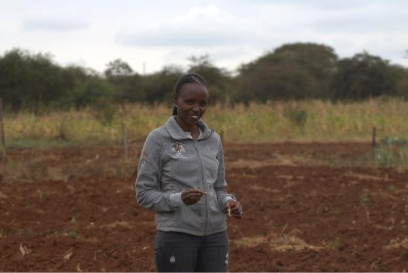
Growing up in Kenya’s Maasai land, Sylvia Seleon knew what it meant to live without reliable water. Like many girls in her community, she spent countless hours walking long distances in search of water that was often unsafe for drinking. The daily struggle robbed families of time, compromised health, and limited opportunities for education and economic growth.
Today, Sylvia is helping rewrite that story.
As a WaterStarters franchisee, she owns and manages the Kima Water Project—a community-owned water enterprise that supplies clean, affordable water to more than fifty-five households, Kima Health Centre, Lesonkoyo Comprehensive Primary School, and several local businesses. What was once a dream has become a thriving social enterprise that is transforming lives across the community.
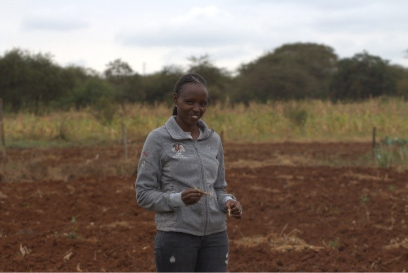
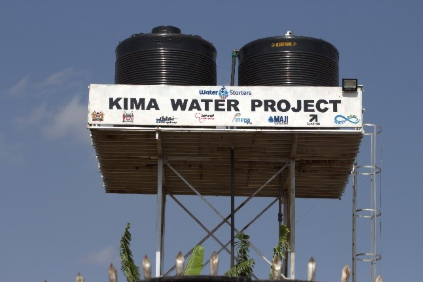
“Water is a long-term investment,” Sylvia says. “When invested well, it transforms every part of life, from health and nutrition to how women earn a living and provide for their families.”
Sylvia’s journey began in 2021 during a community dialogue meeting where she first learned about the WaterStarters initiative. Unlike traditional water projects that rely solely on grants, WaterStarters combines community ownership, blended financing, local entrepreneurship and technology to create sustainable water businesses capable of serving communities for generations.
Recognising the opportunity, Sylvia partnered with Amref Health Africa in Kenya to establish the Kima Water Project. She contributed 15 percent of the capital required to develop the KES 10 million borehole, while her family financed the remainder through personal savings and a bank loan. What began as an investment in water has evolved into an investment in health, livelihoods, education and the future of her community.
WaterStarters is demonstrating that sustainable access to water extends far beyond installing boreholes. Through locally owned franchise businesses, digital monitoring technology, business mentorship and blended financing, the initiative has established ten community water enterprises serving communities across Kenya. More than KES 21 million has been mobilised through local and private-sector investment, with over forty additional water schemes already in the pipeline. Technology has also improved operational efficiency, reducing water losses to less than five percent and ensuring service interruptions are resolved within seventy-two hours.
For Sylvia, reliable water unlocked opportunities she had never imagined.
She now leases more than ten acres of land where she grows onions, tomatoes, maize, beans and assorted fruits using climate-smart drip irrigation. Her farm employs at least twenty casual workers during peak seasons, while dependable water has encouraged other women in Kima to establish kitchen gardens and commercial farms of their own.
The impact mirrors findings from the wider WaterStarters programme, where more than sixty per cent of participating households have diversified into new income-generating activities. Climate-smart irrigation has increased water revenues by approximately sixty per cent, while local water enterprises are creating nearly 20,000 employment days annually for women and young people. Reliable water is no longer simply improving livelihoods, it is powering rural economies.
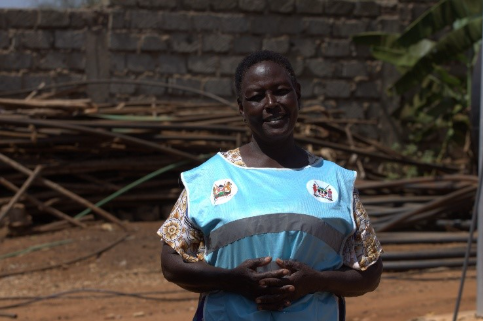
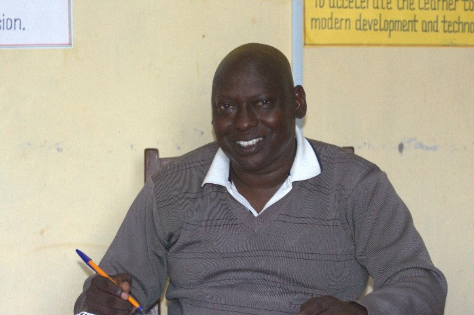
For Community Health Promoter Mary Kimoyo, the difference is visible in every household she serves.
Before the borehole was installed, the forty-five households under her care struggled with poor hygiene and frequent outbreaks of diarrhoeal disease. Women and girls spent hours every day collecting water from distant, unreliable sources, leaving little time for school, childcare or income-generating activities.
“Today,” she says, “water is available close to home. Families fall sick less often, women have more time to work and care for their families, and children are healthier.”
These experiences reflect broader programme results, with WaterStarters communities reporting significant reductions in waterborne diseases while improved access to clean water has strengthened household hygiene, nutrition and overall well-being.
Reliable water has also transformed education at Lesonkoyo Comprehensive Primary School.
For years, pupils carried between three and five litres of water to school every morning for drinking, cooking and cleaning. The burden affected attendance, concentration and academic performance, particularly during prolonged dry seasons.
Today, piped water from the Kima Water Project, supplemented by harvested rainwater, supplies the school with up to 50,000 litres of clean water every school term. Boarding facilities have since been introduced, meals are prepared on-site, sanitation has improved, and students attend school more consistently.
Head Teacher Elias Mokari describes the connection as “the turning point we had waited for.”
Between 2023 and 2025, the school’s mean academic score increased from 110 to 255, while absenteeism declined significantly. Across WaterStarters communities, evaluations similarly show school attendance improving by more than sixty percent as children spend less time fetching water and more time learning.
The transformation extends beyond homes and schools to healthcare.
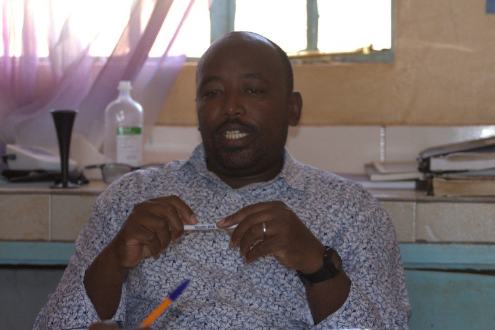
At Kima Health Centre, reliable water has become the foundation of quality healthcare.
Before 2022, the facility relied almost entirely on harvested rainwater, often forcing staff to postpone deliveries and other essential medical procedures during dry periods because there was insufficient water to maintain hygiene and sterilise equipment. Waterborne diseases and cholera outbreaks were common within the surrounding community.
Connecting the health centre to the Kima Water Project changed everything.
Over the past three years, the facility has recorded no maternal deaths. Cholera cases have almost disappeared, while deliveries, outpatient services and emergency procedures continue uninterrupted throughout the year.
“Water has become more than a resource,” says Dr Anthony Ndegwa, Facility In-Charge at Kima Health Centre. “It is the foundation of safe, reliable and dignified healthcare.”
The benefits extend even further. WaterStarters’ efficient water management systems are helping reduce non-revenue water, lowering carbon emissions by approximately 200 metric tonnes annually while strengthening climate resilience in drought-prone communities. Reliable water is enabling households to grow food throughout the year, improve nutrition and build resilience against increasingly unpredictable weather patterns.
For Sylvia, however, the greatest achievement cannot be measured by statistics alone.
It is seeing children attend school without carrying heavy containers of water. It is watching women transform dry land into productive farms. It is knowing that expectant mothers can safely deliver their babies at the local health centre.
Her story represents what is possible when communities are empowered to own and manage their own development.
With plans to scale WaterStarters to reach 1.5 million people by 2030 through 42 additional water schemes, the initiative is proving that investing in community-owned water enterprises delivers returns far beyond water itself. It strengthens health systems, creates jobs, improves education, builds climate resilience and unlocks sustainable economic growth.
Reflecting on the journey, Sylvia smiles.
“When you invest in water,” she says, “you invest in life itself.”
About Water Starters:
WaterStarters is built on a strong network of partners whose combined expertise makes the model both scalable and sustainable. The initiative brings together more than sixty years of Amref Health Africa’s local knowledge and field presence in Kenya with the business acumen of MegaGroup, the Dutch technical wholesaler in water solutions and the driving force behind the WaterStarters NL Foundation.
Maji Milele enhances the model through its online and prepaid metering systems and its deep experience in social entrepreneurship across Kenya. Acacia Water contributes practical, science-based solutions for integrated water resource management at multiple scales, ensuring the long-term viability of water sources. The Kenyan–Dutch joint venture MAJI Water Storage provides clean, durable, and affordable water storage technologies that strengthen local infrastructure.
Sidian Bank offers financing to franchisees, enabling them to access loans for their share of the investment.
Edna Mosiara – Ag Communications Manager