
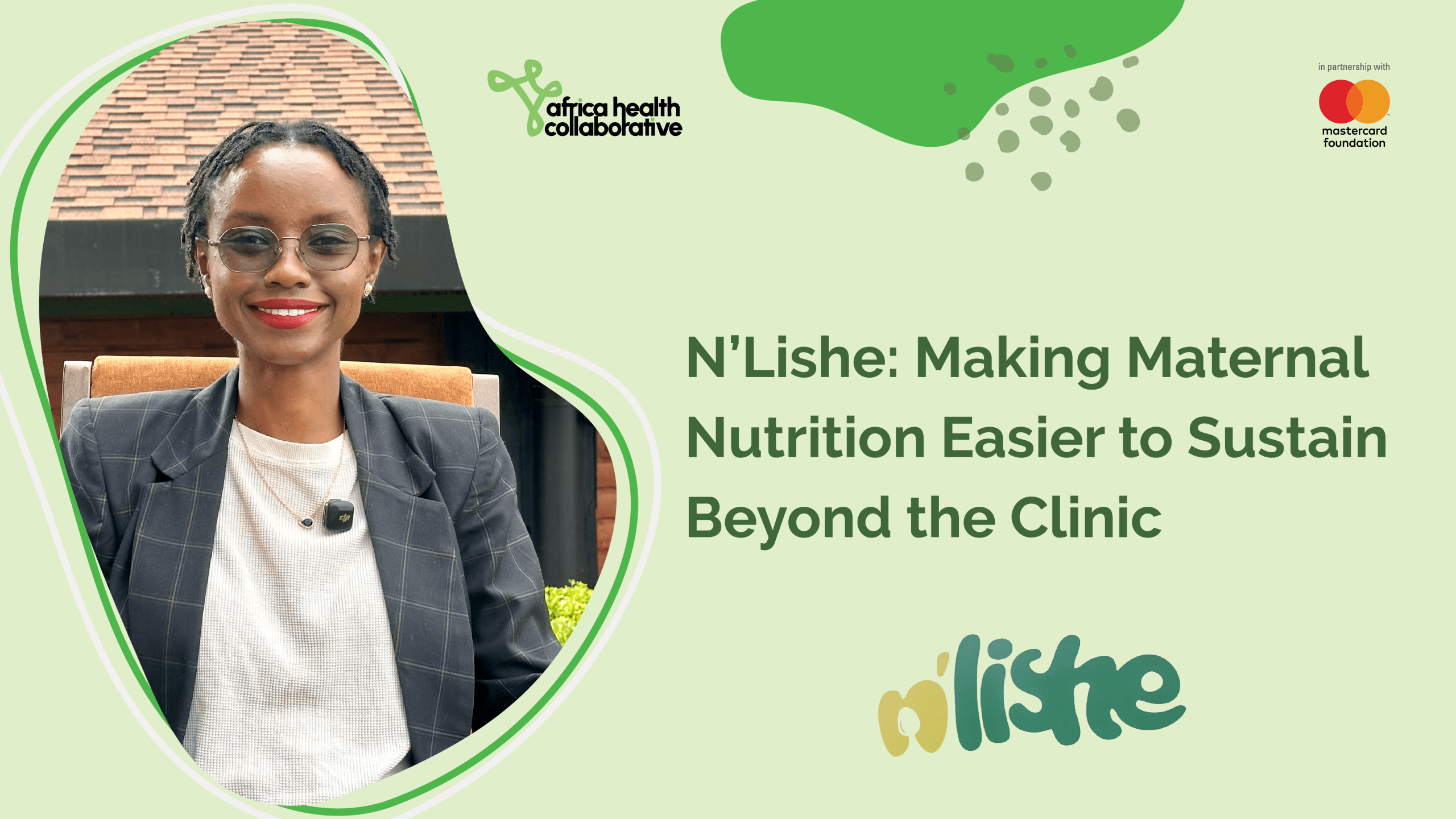
“The future of maternal nutrition belongs not to the company with the best supplement, but to the one that makes nourishment easier to sustain.” — Sheila Catherine Nyambugi
For many mothers, the journey to a healthy pregnancy does not end with a visit to the clinic. In fact, that is often where some of the biggest challenges begin.
While healthcare providers offer nutrition advice, supplements, and support during antenatal visits, many women return home to realities that make it difficult to maintain consistent nourishment. Financial constraints, limited access to nutritious foods, competing household priorities, and a lack of ongoing support can all stand in the way of healthy maternal nutrition.
It was this gap between healthcare advice and everyday reality that inspired N’Lishe, an innovative solution founded by nurse and maternal health advocate Sheila Catherine Nyambugi.
Addressing the Missing Link in Maternal Nutrition
Having worked closely with mothers throughout her nursing career, Sheila observed a recurring challenge: nutrition support often stopped at the clinic door.
Mothers would leave health facilities equipped with information and recommendations, yet many struggled to sustain proper food-based nourishment throughout pregnancy and breastfeeding. The challenge was rarely a lack of knowledge. More often, it was the economic, behavioural, and logistical barriers that made consistent nutrition difficult to maintain.
Recognising this, Sheila began asking a different question:
How can we make maternal nutrition easier to sustain beyond healthcare visits?
The answer became N’Lishe.
Rather than focusing solely on food-based supplementation, N’Lishe is designed around a broader mission: helping underserved mothers remain consistently nourished throughout pregnancy and breastfeeding by making nutrition more accessible, affordable, and sustainable.
A Story of Strength and Resilience
For Rael Awuor, a mother from Mathare, the challenge of maintaining good nutrition during pregnancy was deeply personal. During her last trimester, Rael experienced severe weakness and struggled to tolerate traditional iron supplements because of their side effects. Her condition became so difficult that she described feeling as though she was “being carried away by the wind.”
Seeking support, she began using N’Lishe as part of her maternal nutrition journey.
Over time, the results became evident.
Her haemoglobin levels improved from 9.0 to 12.0, helping her regain strength and significantly improve her overall wellbeing during pregnancy.
When Rael later delivered her baby prematurely at seven months, weighing 2.5 kilograms, the journey did not end there.
Through continued breastfeeding and consistent use of N’Lishe after delivery, both mother and child continued to thrive. By three months of age, her baby had grown to 7.5 kilograms and was healthy, active, and developing well.
For Sheila and the N’Lishe team, Rael’s story reinforced an important lesson:
Supporting mothers beyond the clinic is essential for improving both maternal and child health outcomes.
Building Healthier Communities, One Mother at a Time
N’Lishe’s work extends beyond individual success stories.
The venture has already reached over 50 mothers in underserved communities including Mathare and Korogocho through community-based nutrition support and education initiatives.
Working alongside three Community Health Promoters, N’Lishe has helped improve access to maternal nutrition while gathering critical insights into the realities facing mothers in low-income communities.
Among repeat users, the team has documented encouraging outcomes, including:
- Improved maternal wellbeing
- Increased confidence in breastfeeding
- Improved haemoglobin levels
- Healthier infant growth and development
Beyond these outcomes, the venture is also generating valuable evidence about the challenges that prevent mothers from maintaining consistent nutrition throughout pregnancy and breastfeeding.
These insights are helping shape practical solutions that respond to the real needs of mothers rather than assumptions about them.
Looking Beyond Products to Systems Change
One of the defining moments in N’Lishe’s journey came through participation in AfyaFest 2025, where the venture joined other innovators working to solve some of Africa’s most pressing health challenges.
For Sheila, the experience transformed how she viewed the venture’s role.
What began as an effort to develop a nutrition product evolved into a deeper understanding of a much larger systems challenge.
Through conversations with healthcare professionals, innovators, and ecosystem partners, she gained new perspectives on the barriers that prevent mothers from maintaining proper nutrition even when products and information are available. Her interaction with some of the partners and professionals opened a world where she was able to better improve her product and find better ways of making it more nutritious and easily accessible. The experience strengthened N’Lishe’s confidence in its mission, expanded its network within the health innovation ecosystem, and opened doors for future collaborations.
Most importantly, it reinforced a critical insight:
The challenge is not simply providing nutrition. The challenge is making nourishment sustainable.
Reimagining the First 1,000 Days
Across Africa, maternal and child health outcomes are closely linked to what happens during the first 1,000 days from pregnancy through a child’s second birthday.
Yet for many mothers, maintaining proper nutrition during this critical period remains difficult despite understanding its importance.
N’Lishe is working to change that reality.
By combining community-based support, culturally-acceptable practical nutrition solutions, and a deep understanding of the everyday challenges mothers face, the venture is helping bridge the gap between healthcare advice and sustainable action.
Because healthier communities begin with healthier mothers.
And healthier mothers need more than information.
They need systems that make nourishment possible every day.
As N’Lishe continues to grow, its vision remains clear: to build practical, community-centred solutions that ensure mothers can access and sustain the nutrition they need throughout pregnancy and breastfeeding.
Because when mothers thrive, children thrive. And when children thrive, communities become stronger, healthier, and more resilient.