
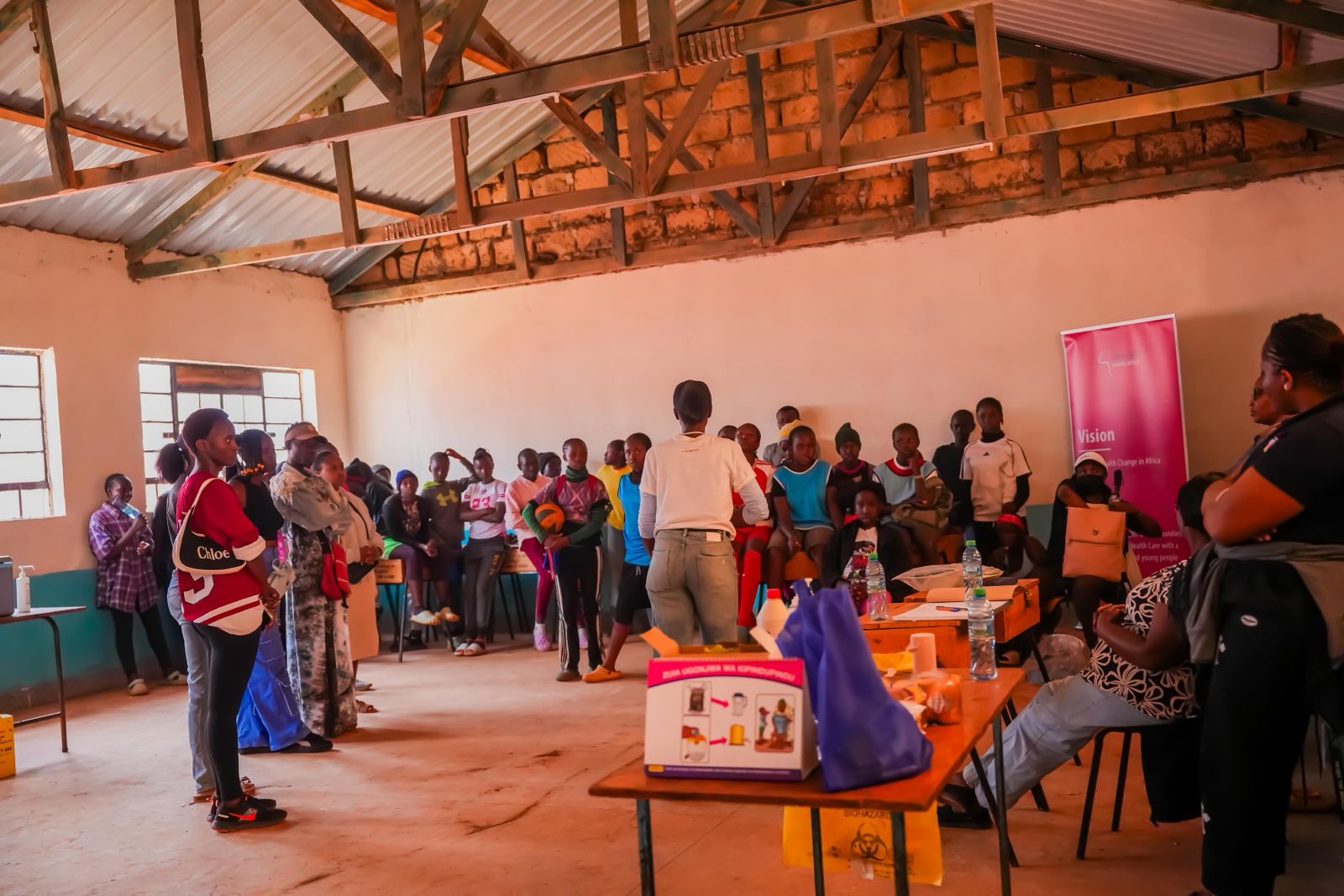
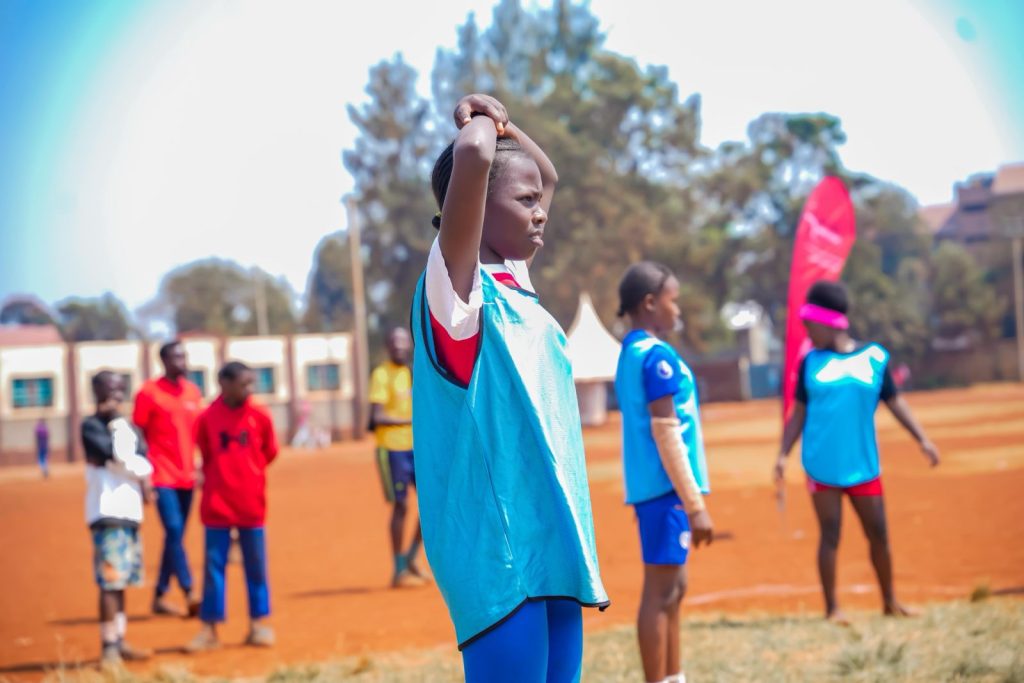
The sound of whistles, cheers and applause filled the air in Mutuini Ward as students from six junior secondary schools competed in a two-day inter-school volleyball tournament. Every point won was met with celebration, every rally drew louder cheers from teammates and spectators, and friendly rivalries brought the courts to life.
But while the matches captured everyone’s attention, something equally important was happening just beyond the sidelines.
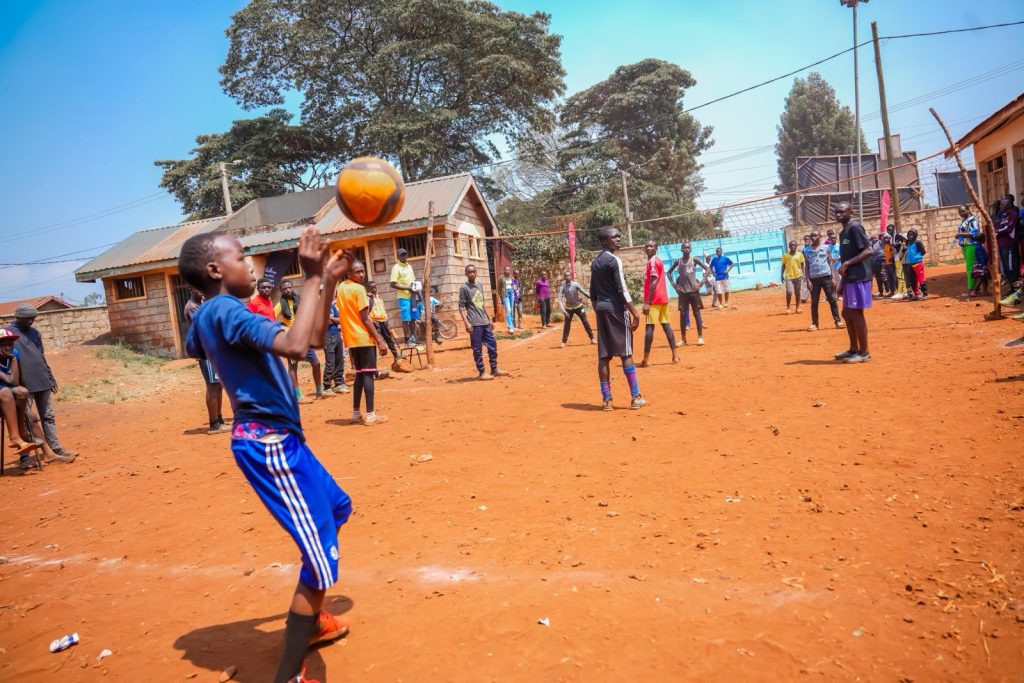
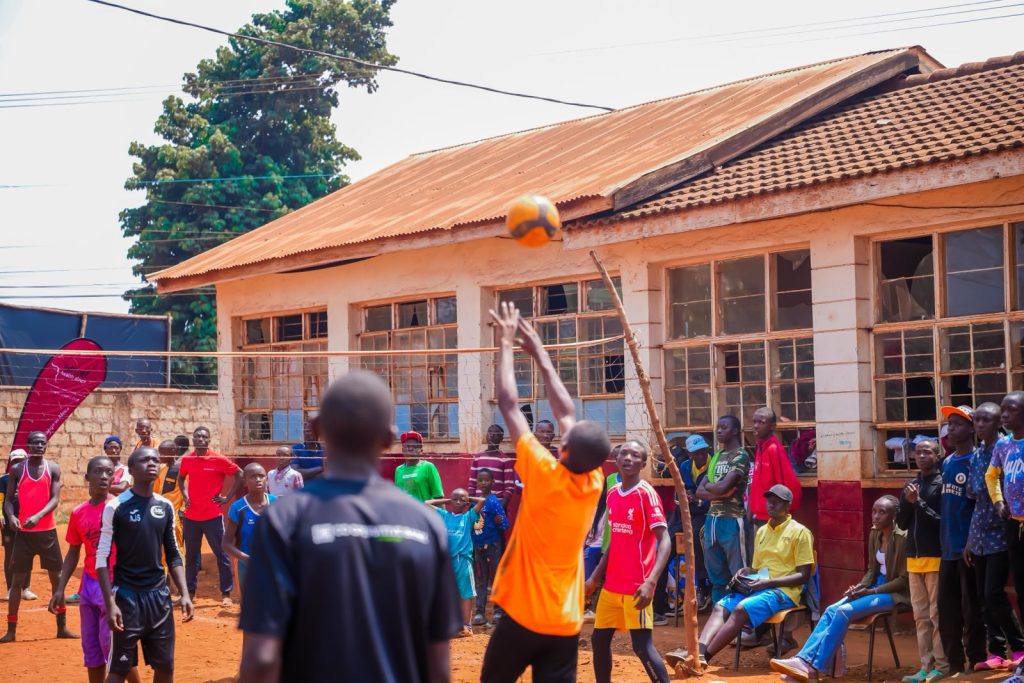
Through the Center Court Africa Project, Amref Health Africa transformed the volleyball bonanza into an opportunity to connect adolescents with the health information, services and support they need to navigate one of the most important stages of their lives.
Between matches, learners stepped away from the court and into open discussions led by health workers and facilitators. The conversations covered mental health, sexual and reproductive health and rights (SRHR), nutrition, gender-based violence, drug and substance abuse, life skills and positive masculinity. Free from the formality of a classroom, adolescents were encouraged to ask questions, share their experiences and learn from one another in a safe and supportive environment.
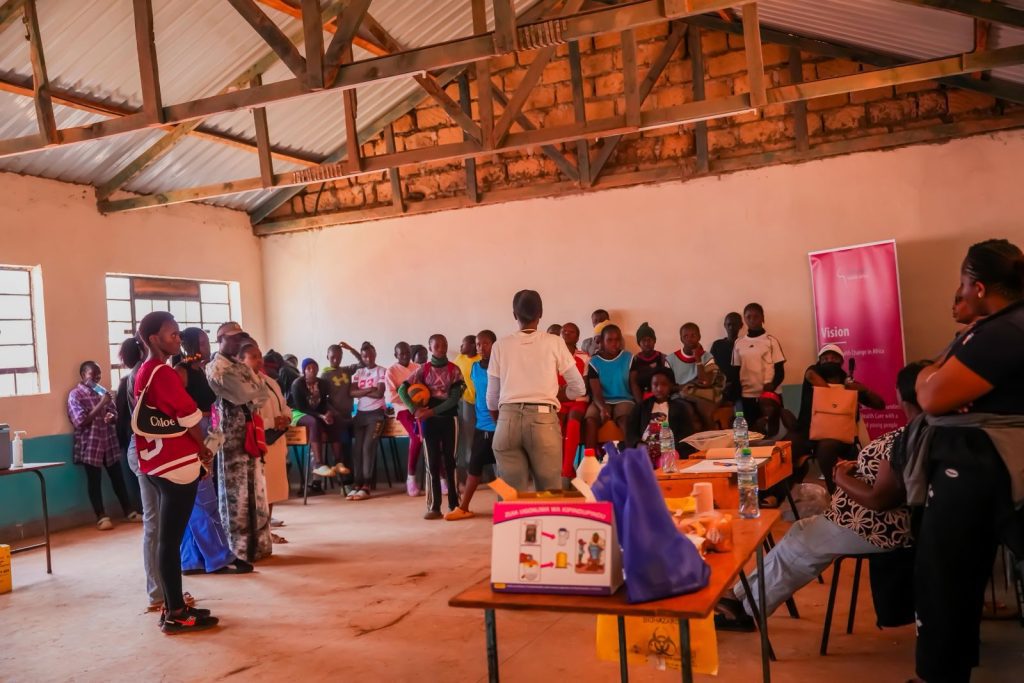
As the discussions unfolded, they moved beyond health topics to the everyday realities many young people face. Learners spoke openly about peer pressure, bullying, relationships, academic stress and conflict at home. They shared their fears and aspirations, discovering that many of their peers were navigating similar challenges.
These conversations matter because adolescence is a time of rapid physical, emotional and social change. Yet many young people lack trusted spaces where they can seek guidance or access accurate information without fear of judgement. By bringing health education into an activity that adolescents already enjoy, the project created an environment where learning felt natural and support was within reach.
The event also ensured that information was matched with action. 77 adolescents participated in group health education sessions, while 14 adolescents-9 girls and 5 boys, received individual psychosocial support. Those requiring additional care were referred to nearby health facilities, helping to ensure they continued receiving the support they needed beyond the tournament.
Nutrition was another important focus. A total of 152 adolescents underwent nutrition assessments, which identified stunting among some of the learners reached. The findings highlighted the importance of continued efforts to improve adolescent nutrition and ensure young people have the opportunity to grow, learn and thrive.
Preventive healthcare was also brought closer to the learners. 4 girls received the Human Papillomavirus (HPV) vaccine, protecting them against cervical cancer and demonstrating how community-based outreach can improve access to essential health services.
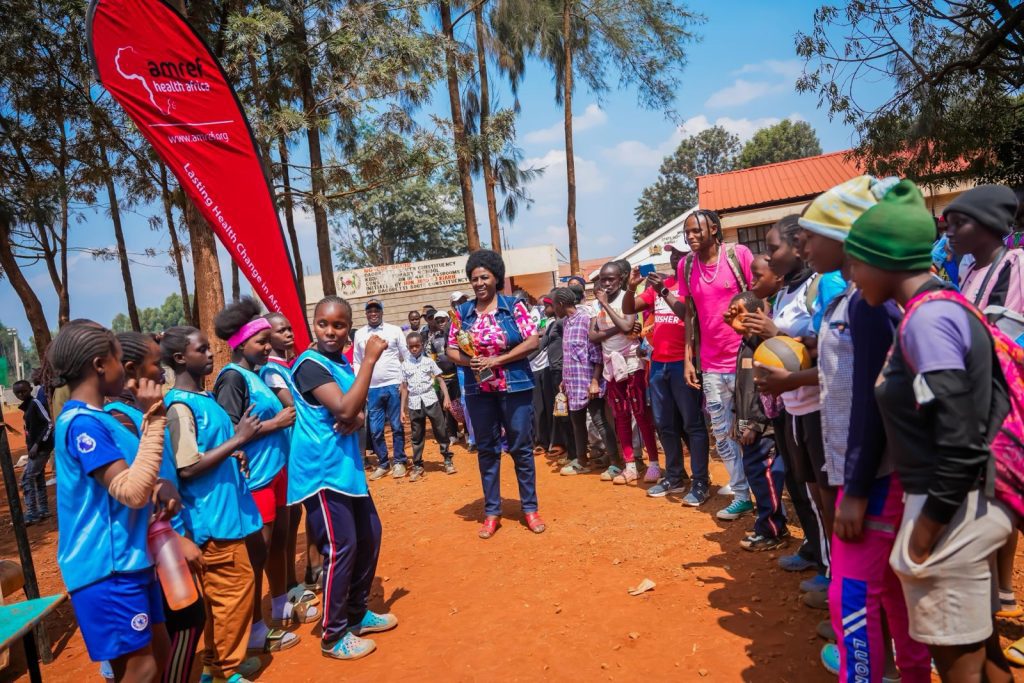
While the tournament celebrated sporting excellence, its greatest achievement extended beyond the final scores. Every participant walked away with practical knowledge to make healthier choices, greater awareness of where to seek help and the confidence to prioritise their mental and physical wellbeing.
The success of the volleyball bonanza demonstrates the value of meeting adolescents where they are. A familiar school sporting event became a platform for meaningful conversations, trusted guidance and essential health services. Discussions that might never have taken place in a classroom unfolded naturally between matches, while health workers connected young people with care in a setting where they felt comfortable and supported.
Through the Center Court Africa Project, Amref Health Africa is demonstrating that sport can do far more than bring young people together for competition. It can open doors to life-changing conversations, strengthen access to essential health services and empower adolescents with the knowledge and confidence to make informed decisions about their health and future.