
Malaria remains a significant public health challenge in Kenya. In 2023, there were approximately 263 million reported cases, an increase from 252 million in 2022. This resulted in an incidence rate of 104 cases per 1,000 people. The highest burden of malaria in Kenya is found in six counties: Kakamega, Vihiga, Siaya, Busia, Migori, and Kisumu, which have an adjusted incidence rate of 748 cases per 1,000 people. In 2023, there were also 597,000 reported deaths, a decrease from over 608,000 in 2022. Alarmingly, 94% of malaria cases and 95% of related deaths occur in Africa, with children under five years old accounting for 76% of malaria-related fatalities. To fully eradicate malaria, continuous efforts, such as the development of vaccines, distribution of insecticide-treated nets, and implementation of community health programs, are essential.
However, reductions in aid to Kenya’s health sector, especially concerning malaria funding, reflect a shift in donor priorities and tighter global budgets. These funding cuts create gaps in resources for program implementation, threatening progress and increasing the burden on domestic systems to support essential malaria interventions.
In response to this situation, the Zero Malaria Campaign Coalition (ZMCC) has established a steering committee under the leadership of the National Malaria Control Program (NMCP) which meet regularly to assess progress, share updates, and collaboratively develop strategies to advance malaria elimination efforts in Kenya.
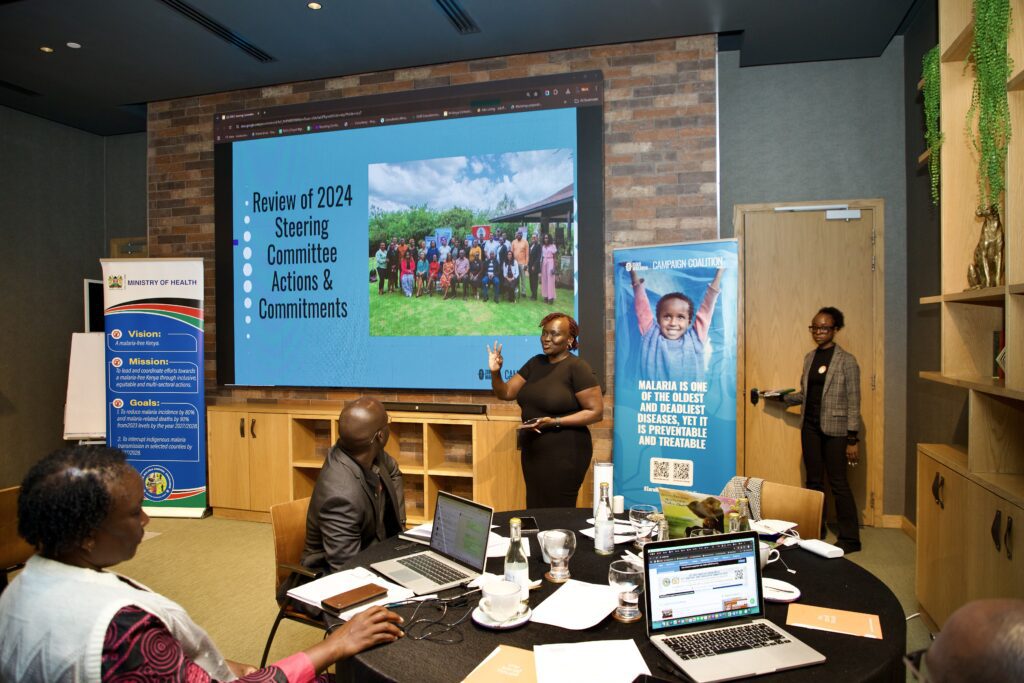
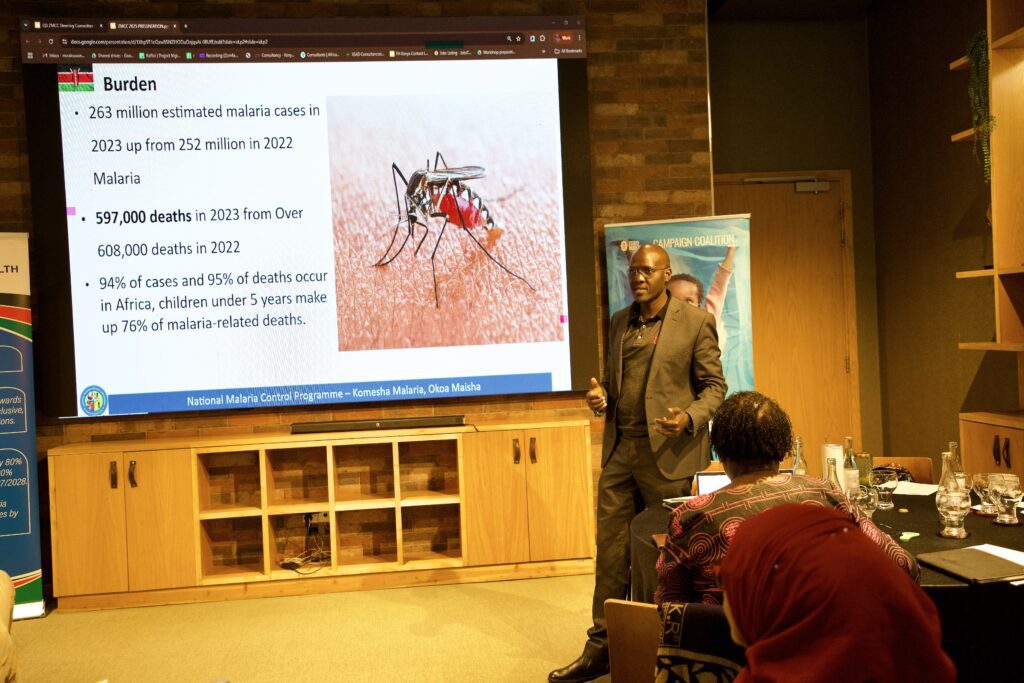
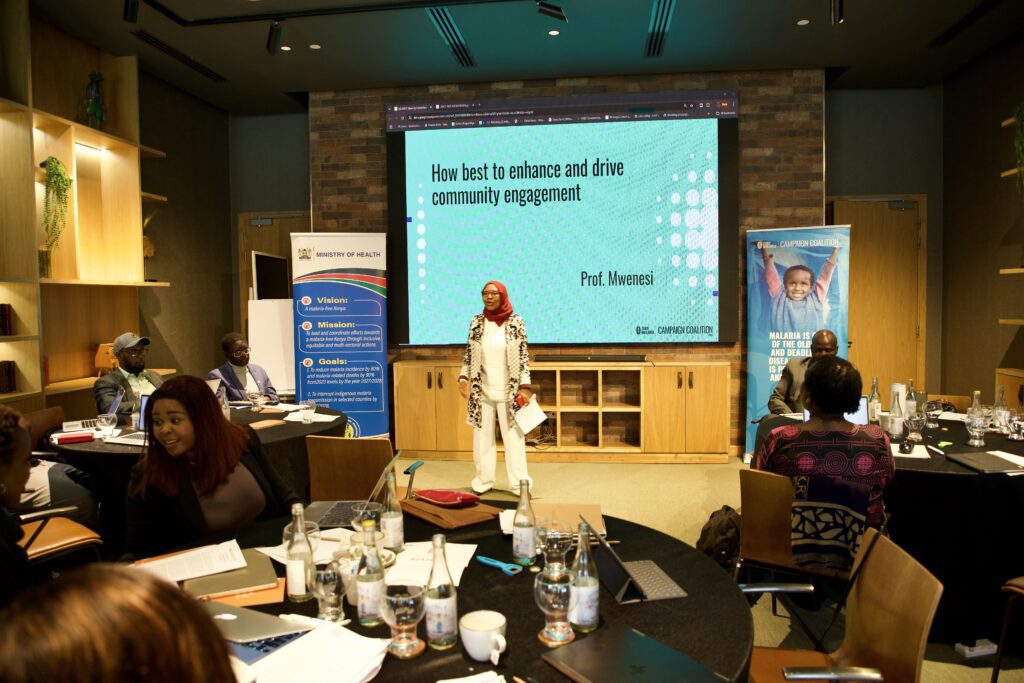
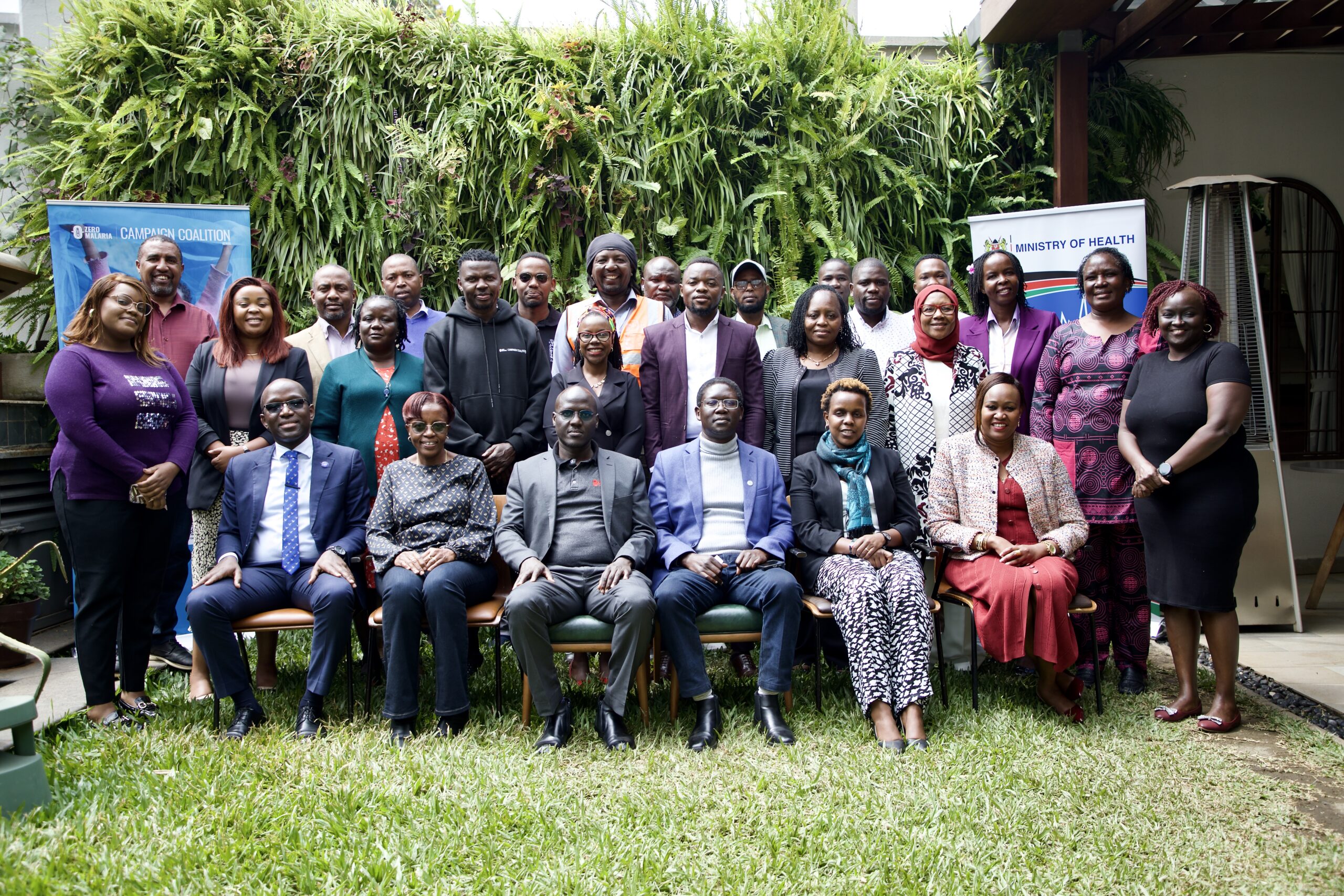
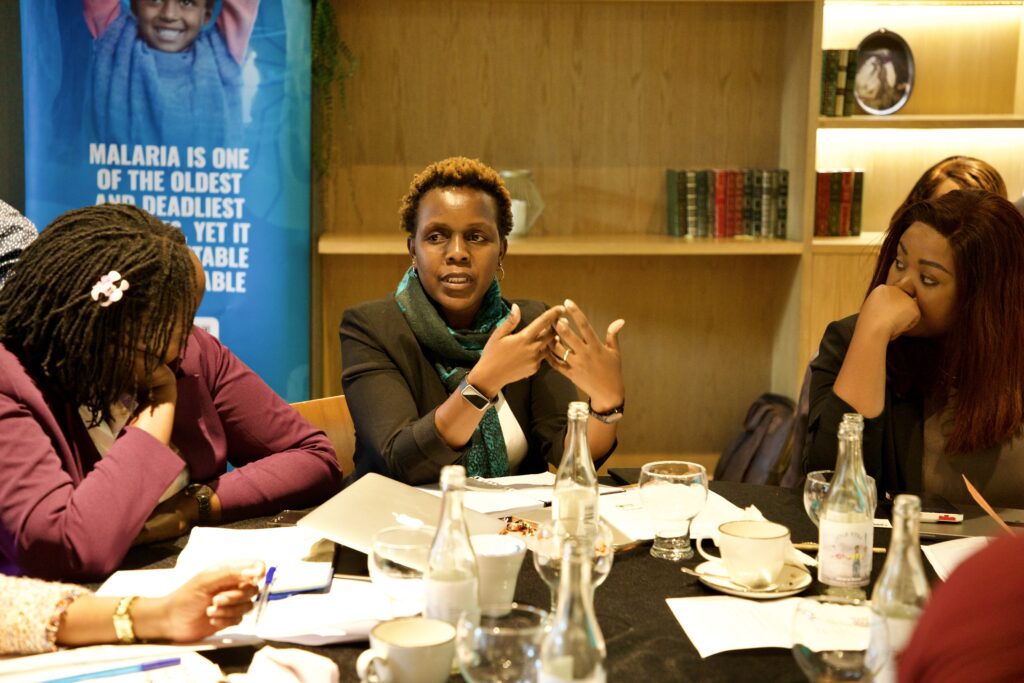
Zero Malaria Campaign Coalition member meeting in Nairobi – 16th July 2025
Amref’s Strategic Contributions to Zero Malaria Kenya
Amref Health Africa, in collaboration with the Council of Governors, the Global Fund, Malaria No More, and the Ministry of Health, is actively mobilizing resources to strengthen primary healthcare systems. This initiative focuses on eliminating malaria in the endemic regions of Nyanza and Western Kenya, working towards a malaria-free country.
With funding from the Global Fund, Amref Health Africa is implementing Community Case Management of Malaria (CCMm) and interventions for malaria in pregnancy across 10 counties in the Nyanza and Western regions. Efforts to prevent malaria in pregnancy are also being carried out in Kericho and Nandi Counties. All interventions align with the Kenya Malaria Strategy 2024-2027.
Key Achievements from July 2024 to March 2025 under the Global Fund Malaria Grant Include:
- Expansion of community case management (CCMm) in 10 counties, increasing the number of community health units (CHUs) from 850 to 2,210, which raised Global Fund coverage from 32% to 81%.
- Community Health Promoters (CHPs) tested 1,015,006 malaria cases (26%) out of a total of 3,908,561 cases tested at community and facility levels.
- CHPs treated 511,804 confirmed malaria cases (30%), compared to 1,678,839 cases treated at both community and facility levels.
On the other hand, the GSK-funded Primary Health Care for Malaria Elimination Project aims to strengthen Kenya’s primary healthcare system to enhance the diagnosis, treatment, prevention, and surveillance of malaria. This project is being implemented in Busia and Siaya Counties.
Key Achievements for the GSK Project Include:
- Training 678 Community Health Promoters (CHPs), 64 healthcare workers, and 16 laboratory personnel on malaria case management and microscopy, thereby enhancing the ability of both community and facility-level providers to diagnose and treat malaria accurately, reducing transmission and improving health outcomes.
- Training healthcare workers on Antimicrobial Resistance (AMR) within the context of malaria, emphasizing the importance of confirmed diagnosis and the rational use of antimalarials to prevent resistance and ensure treatment effectiveness.
- Building the skills of 18 health managers in leadership, management, and governance, and training 28 commodity managers in supply chain management, a critical aspect of ensuring the availability of malaria and other essential commodities.
- Supporting Busia and Siaya Counties in integrating malaria priorities into annual work planning and budgeting, while also enhancing financial management capacity for facility managers, particularly in Levels II, III, IV, V, and VI.
- Facilitating monthly data review meetings and mentorship sessions for Community Health Assistants (CHAs) and CHPs to promote data-driven decision-making and continuous improvement in community malaria interventions.
Kenya’s role in the regional and global malaria landscape is crucial. As a high-burden country with significant political influence in East Africa, Kenya can lead by example, demonstrating that sustained commitment and coordinated advocacy can yield results, even amid challenges.
Author: Noah Wekesa W., Amref Health Africa