
Obstetric fistula continues to be a significant public health challenge in Kenya and across sub-Saharan Africa, disproportionately affecting women in impoverished, rural areas with limited access to timely, quality maternal care. In Kenya alone, it is estimated that between 3,000 and 3,500 new cases arise each year, yet only a small fraction of these women receive the treatment they desperately need due to stigma, lack of awareness, and insufficient surgical capacity (Ministry of Health Kenya, 2022). Across the continent, the World Health Organization (WHO) estimates over 2 million women live with untreated obstetric fistula, with 50,000 to 100,000 new cases annually, largely due to prolonged, obstructed labour and the lack of emergency obstetric care (WHO, 2023). The condition results in chronic incontinence, infections, and social exclusion. Despite being preventable and treatable, fistula remains prevalent in contexts of gender inequality, poverty, and underfunded health systems.
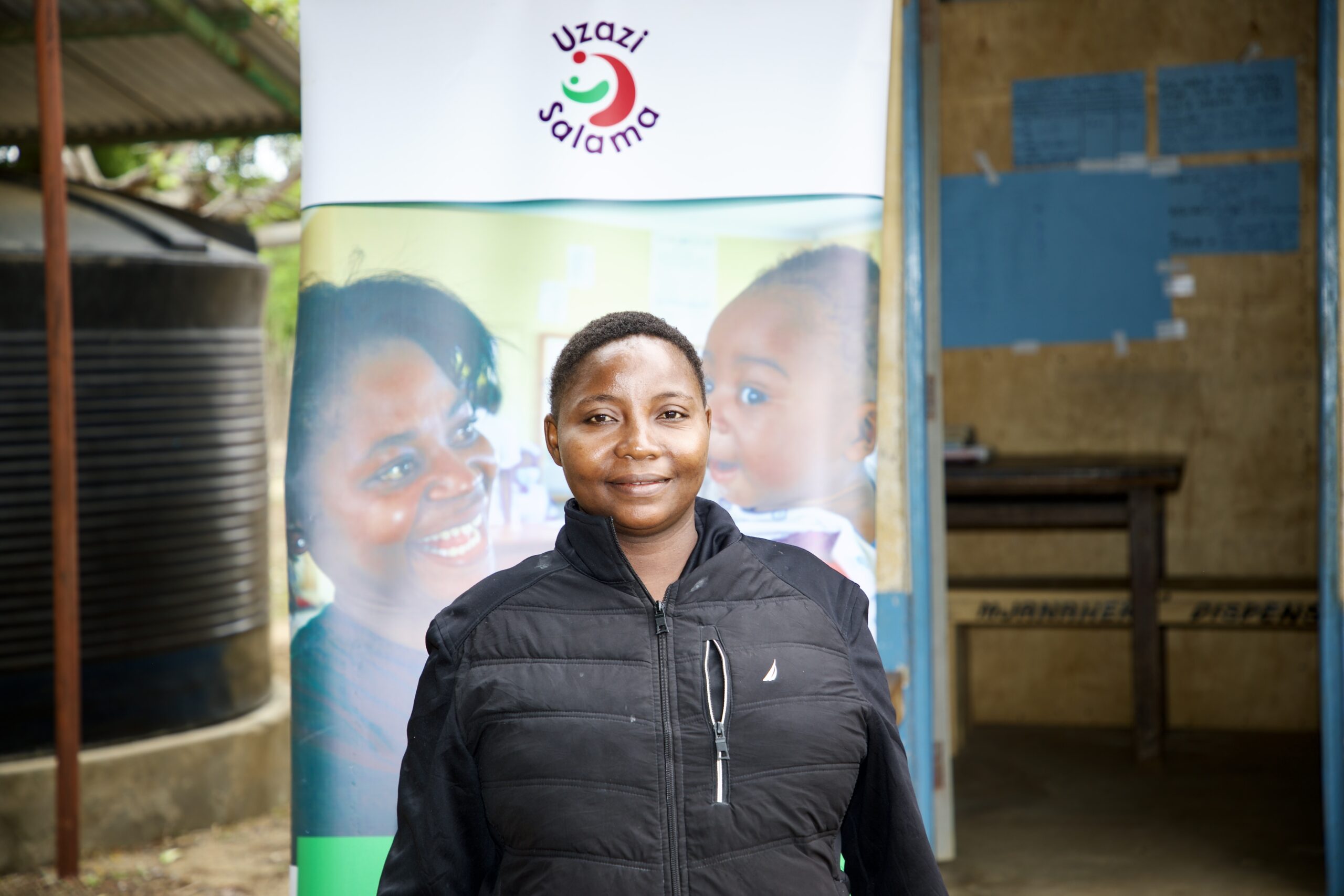
In Kilifi County, Kenya, we met Judith Maangi Mweri, a 35-year-old woman whose story speaks to the silent suffering of many women. Judith shared her experience in the hope of sparking a conversation about this often-overlooked condition.
After giving birth to her second child at Gogoni Hospital, Judith felt elated. Her baby boy was a healthy 4.5 kilograms, and she couldn’t wait to take him home. However, two weeks after being discharged, everything changed. Judith began experiencing sharp abdominal pain and noticed something protruding from her body. “It was terrifying,” she said.
Judith confided in her husband, who immediately took action. They rushed to Malindi General Hospital, but after examinations and scans, the X-rays showed no significant issues. Feeling helpless, Judith was referred to a private clinic for specialised care. Unfortunately, the specialist was unavailable during her visits, leaving her frustrated and in pain. “The more I sought help, the more frustrated I became,” Judith recalls. She resigned herself to enduring the suffering, continuing with her daily chores, even becoming pregnant again.
Judith’s health continued to deteriorate. The pain became unbearable, and she nearly lost her life during the birth of her third child. Determined to find answers, she returned to Malindi General Hospital, but once again, she was given only painkillers and sent home. “I lost all hope,” she said. For another year, Judith endured her condition in isolation, unable to find the help she so desperately needed.
Then, out of nowhere, Judith received a life-changing message on her phone. It was from Amref Health Africa in partnership with the M-Pesa Foundation, announcing an upcoming fistula camp in Kilifi County. Judith could hardly believe her eyes. “Could this be the help I’ve been longing for?” she thought as she read the message multiple times, her heart racing with hope. She immediately called the provided contact number.
After sharing her story with the Amref team, Judith was invited to attend the fistula camp at Kilifi County Referral Hospital. Filled with both fear and hope, she embarked on the journey. Upon arrival, she underwent a series of tests and was scheduled for surgery. “As soon as I came under the doctors’ care, I felt hope bloom inside me like a flower awakening in spring,” she said.
After three days of recovery, Judith returned home, following doctors’ instructions and avoiding manual labour. For the first time in years, she felt relief. “My condition was improving, and I was regaining control of my life,” she said. In addition to medical care, Judith received much-needed psychosocial support, which helped her cope with the trauma, regain her self-care skills, and reintegrate into her community with dignity.
However, Judith’s recovery faced another setback. While attending a social event, the plastic chair she was sitting on broke, causing her to fall and disrupt her surgical recovery. The fistula returned. “I felt as though all my hope was slipping away again,” she recalled. Confused and in pain, Judith stayed home, grappling with despair for three months. “Why is this happening to me?” she wondered.
Then, out of the blue, Judith received a follow-up call from Amref Health Africa. They had been checking on her recovery progress, and upon hearing about her setback, they responded with compassion. Judith was invited to Gogoni Health Centre for a follow-up check-up. After a thorough examination, she was referred to Wadadia Hospital in Kilifi for another surgery. Two days later, she was booked for her second operation.
Today, Judith feels like a dignified woman. Filled with joy and gratitude, she tearfully expressed, “Thank you so much to Amref Health Africa and the M-Pesa Foundation. You came into my life like a bright light in a dark tunnel, and I am eternally grateful.”
Now, Judith is using her voice to champion women’s health. She educates others about fistula, dispels myths, and urges women and girls to seek medical advice and support. “Don’t wait too long, like I did. You deserve to live a life free from pain,” she advises.
The integrated fistula programme, implemented by Amref Health Africa in partnership with the Flying Doctors Society of Africa, aims to eradicate female genital fistula by 2030. In Kilifi County, the programme has made substantial strides, including:
- Training 1,125 community health promoters (CHPs) and nurses on fistula awareness and management.
- Hosting 13 camps, reaching over 4,000 women.
- Facilitating surgery for 1,230 women.
To ensure effective reach, the programme uses various communication mechanisms, including CHPs, Fistula Champions, local radio and TV broadcasts, and SMS alerts.
Psychosocial support is a critical component, addressing the emotional, social, and mental well-being of women. This holistic approach has significantly improved recovery, helping women reintegrate into their communities with pride and self-sufficiency. In Kilifi, Bungoma, and Kiambu counties, this programme has helped women rebuild their lives and regain confidence, offering not just medical treatment but also a pathway to empowerment.
Author: Noah Wekesa, Communications Specialists, Amref Health Africa