

As Malawi heads toward national elections this September, a conversation on the future of women, children and adolescents’ health has taken centre stage.
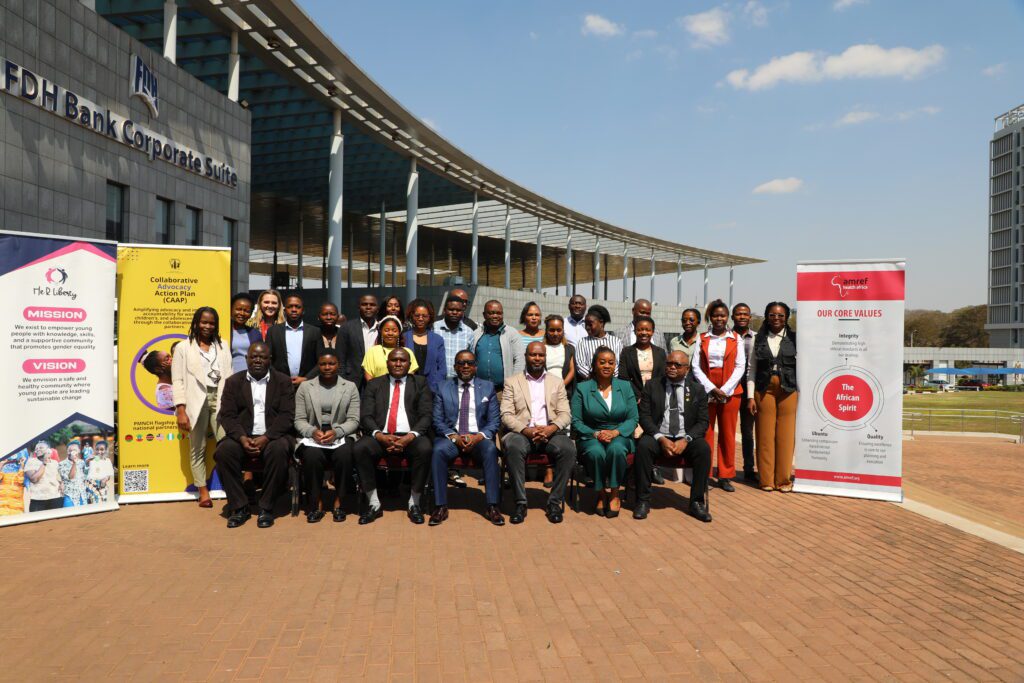
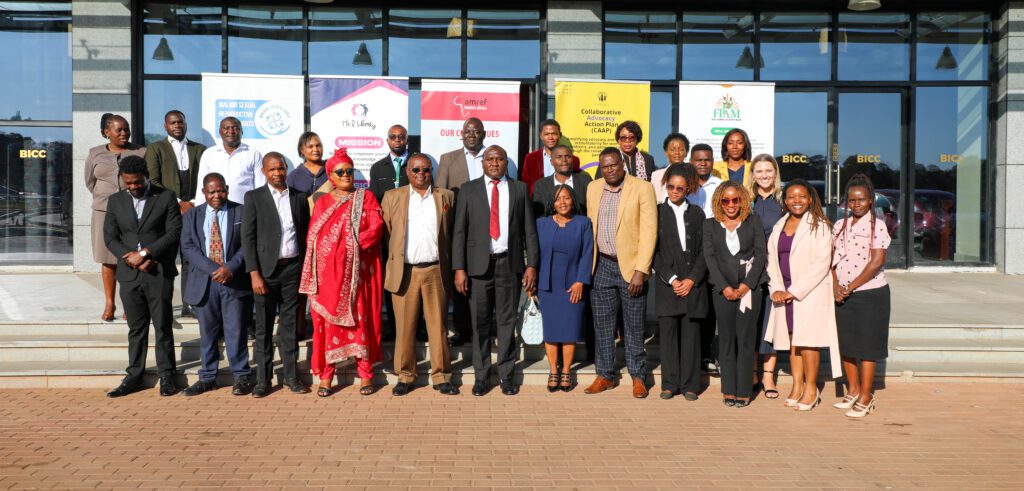
Earlier this month, Amref Health Africa in Malawi, brought together over 30 civil society organizations (CSOs) and four major political parties including MCP, UTM, DPP and UDF. The goal: to advance Malawi’s Collaborative Advocacy Action Plan (CAAP) goals for women, children, and adolescents ahead of national elections on 16 September.
The conversations were lively, and at times intense. But one thing was clear, Malawi cannot afford to leave its women, children, and adolescents behind.
Progress and Persistent Challenges
Malawi has made significant progress in the past decade, maternal mortality declined by 13% (2015–2020), modern contraceptive use increased to 49%, and neonatal and infant mortality targets were surpassed. Yet major challenges remain:
- Maternal mortality is 381 per 100,000 live births, five times the 2030 target with adolescent childbirth contributing over 20% of maternal deaths.
- Under-five mortality remains high at 39 per 1,000 live births, while teenage pregnancy affects nearly 31% of adolescent girls (34% in rural areas).
- Adolescents face gaps in access to sexual and reproductive health services and are largely excluded from decision-making spaces.
- Health financing remains below target, with only 10% of the national budget allocated to health.
CSOs Call for Bold Action
Backed by agreed goals, CSOs called for stronger political will and investment and urged political parties to:
- Increase allocations to meet the Abuja 15% target, with dedicated lines for RMNCAH, including family planning commodities.
- Fast-track life-saving interventions and strengthen accountability for every kwacha spent.
- End child marriage and teenage pregnancy through national strategy implementation, comprehensive sexuality education, and access to family planning.
- Guarantee youth representation in decision-making.
- Integrate WASH services into maternal and child health strategies, expand essential health services, and empower local leadership in facility management.
The political leaders did not just listen they committed to:
- Honor the Abuja target of 15% with dedicated line items for RMNCAH, including family planning.
- Invest in health facilities, workforce, roads, schools, and water systems.
- Allocate four cabinet positions to youth and strengthen youth participation in governance.
- Guarantee comprehensive sexuality education (CSE) and ensure reduced teen pregnancy
- End child marriage – and uphold the constitutional amendment outlawing marriage under 18 years of age
- Digitize public services for transparency, create a conducive environment for youth entrepreneurship, and explore innovative financing such as a carbon tax to support the National Health Services Fund.
- Provide free menstrual pads for all girls in schools and prioritize menstrual health.
“Our 2025–2030 manifesto already aligns with CAAP priorities,” said MCP spokesperson Jessie Kabwira, highlighting a proposed 50-50 gender representation law and cabinet seats reserved for youth leaders.
“The timing of this engagement is strategic,” noted UTM Secretary General Willet Karonga, adding that the dialogue will help shape the party’s still-to-be-finalized manifesto.
UDF Party President Atupele Muluzi pledged to increase domestic funding for maternal, newborn, and adolescent health, aiming to reduce reliance on donors.
Representing the party, presidential advisor Chimwemwe Chipungu acknowledged current health sector gaps, stressing: “Malawi’s future depends on a strong and functioning health system.”
Building a Roadmap for Change
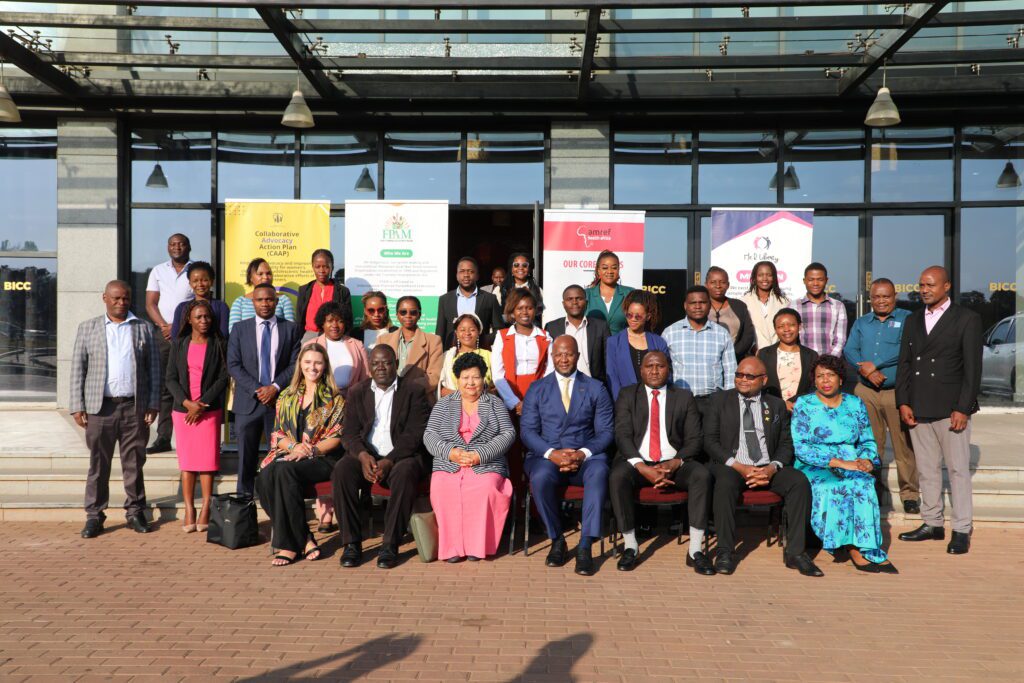
Both CSOs and political parties agreed on a clear roadmap: prioritize the most vulnerable, align party manifestos with CAAP goals, and establish joint monitoring mechanisms to track progress.
As PMNCH Executive Director Rajat Khosla
“This forum is a testament to democratic values in action and a model of accountability and inclusion. Prioritizing women’s, children’s, and adolescents’ health is a strategic investment that transforms communities and economies.”
Amref Malawi Country Director Hester reminded stakeholders that
“As CSOs, we must hold leaders accountable, amplifying their promises to be known to women, children and adolescents, and ensuring commitments into real change for Malawi.”
As the countdown to the 16 September elections continues, these commitments are more than political promises, they represent hope for healthier communities, empowered women and youth, and a stronger Malawi.
Learn more about CSO priorities and advocacy goals in Malawi’s CAAP here: https://qrfy.io/p/kYPgj588QW
Explore the Call to Action here
Check out Malawi’s Collaborative Advocacy Action Plan here
Author: Lusayo Banda-Communications Manager, Amref Health Africa in Malawi