

They often say that a coin has two sides. If you are keen, you’ll notice that there are probably three sides to that coin.
Zanzibar Island off the East African Coast has these three sides.
The first are beautiful postcard turquoise beaches, heritage sites and a vibrant tourist scene. The second side of Zanzibar, is one of the underprivileged people living in informal settlements battling poverty, drug abuse, HIV and aids, and other diseases.
The third side? Well, it’s the people, people like Kolo, who bring love to those who feel forgotten and unlovable.
Before the muezzin’s call echoes from the mosque’s minaret, before his calming voice weaves through the narrow alleys of Zanzibar’s old town, Kolo is already awake.He has cleaned the busy Darajani market mosque, swept its floors, and prepared it for the Alfajir – the first prayer at dawn. His morning ritual is simple yet symbolic of his calling: to bring love and hope to those who have been rejected by society.
Today, like many days, he will bring support to those battling with drug abuse, to recovering substance users and hepatitis B patients in the small island. Substance users who are often dejected, find themselves deeper in abuse, and risk their lives, as they cannot find care and treatment.
His approach to supporting substance and drug users and those recovering is different precisely because he has been where they are; he speaks the language of lived experience. “I find them all with different problems,” Kolo says. “Each person comes to me, and I begin to listen their issues, one by one. Being a former substance user, I understand their struggles.”
46-year-old Nassoro Saidi Abdallah, popularly known as Kolo, knows firsthand the pain of rejection. He once struggled with drug abuse, lost his family, served prison time and faced stigma from people he had known and played with since childhood. Eventually, through a programme supported by Amref, he joined a rehabilitation programme seven years ago and completed the therapy successfully.
Kolo, was among the first peer educators on the island trained to support those affected by drug abuse, Tuberculosis and Hiv/AIDS. These peer educators work as community health volunteers supporting families in informal settlements in Zanzibar.
Fridays are the busiest of days for him. He makes his way through the maze of old town street, through the chatter of vendors and the honking of signature Zanzibari tuk-tuks, to the methadone clinic at the busyKidongo Chekundu Hospital situated just outside of the old town. As the island’s only Medication for Addiction Treatment (MAT) hospital, Kidongo Chekundu provides holistic addiction care, counselling, awareness, and medication like methadone to people who inject drugs. With the support of Amref Health Africa, the clinic focuses on reducing withdrawal symptoms, while Kolo and fellow peer educators and community health volunteers guide patients toward long-term recovery.
Methadone dose reduces withdrawal symptoms without causing the “high” associated with the drug addiction. It is used as a pain reliever and as part of drug addiction detoxification and maintenance programs. Before receiving the treatment and dosages the patients go through a programme, a counselling programme, and are linked up with peer educators such as Kolo who get to guide them through the journey.
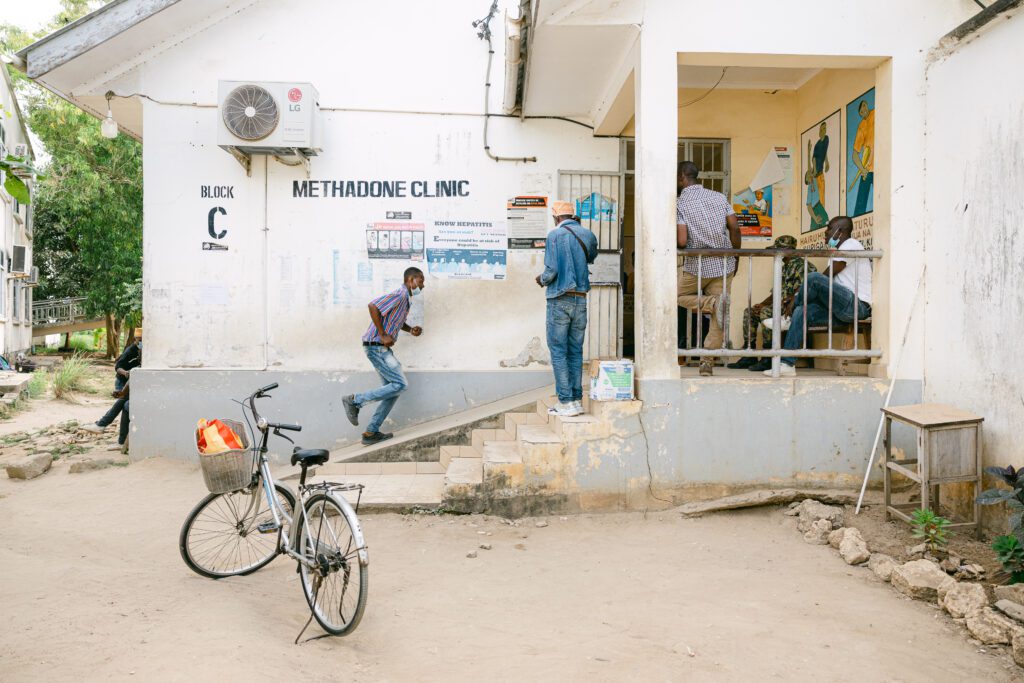
At the clinic, patients are already lining up for their daily dose of medication that helps manage their addiction. Kolo’s small stature might be unassuming, but he has charisma and a presence. He makes a local reference here, and a dollop of humour there, as he’s greeted with familiar laughs.
At the clinic, patients are already lining up for their daily dose of medication that helps manage their addiction. Kolo’s small stature might be unassuming, but he has charisma and a presence. He makes a local reference here, and a dollop of humour there, as he’s greeted with familiar laughs.
“Those who haven’t yet overcome their addiction to drugs, I continue to counsel them, explaining what they can do to stop using them,and if I am able to change someone, I am very happy because I know God will bless me in return.”
He runs a quick announcement, reminding everyone that missing even a single methadone dose can undo months of progress and trigger relapse. “If a drug addict patient misses his prescription for just one day, it can jeopardize the entire program,” he explains.
His presence at the clinic is more than a friendly gesture; it is a concrete lifeline. In Kolo, patients see someone who truly understands the relentless pull of addiction and is willing to walk alongside them toward a healthier life.
“so this project brought us together, and we became one community, right now, we would be on the streets stabbing each other, the villages would be unsafe,it would be impossible for substance abusers to stay together and understand each other,but now around people with a history of addiction can sit together here and listen to each other” he adds
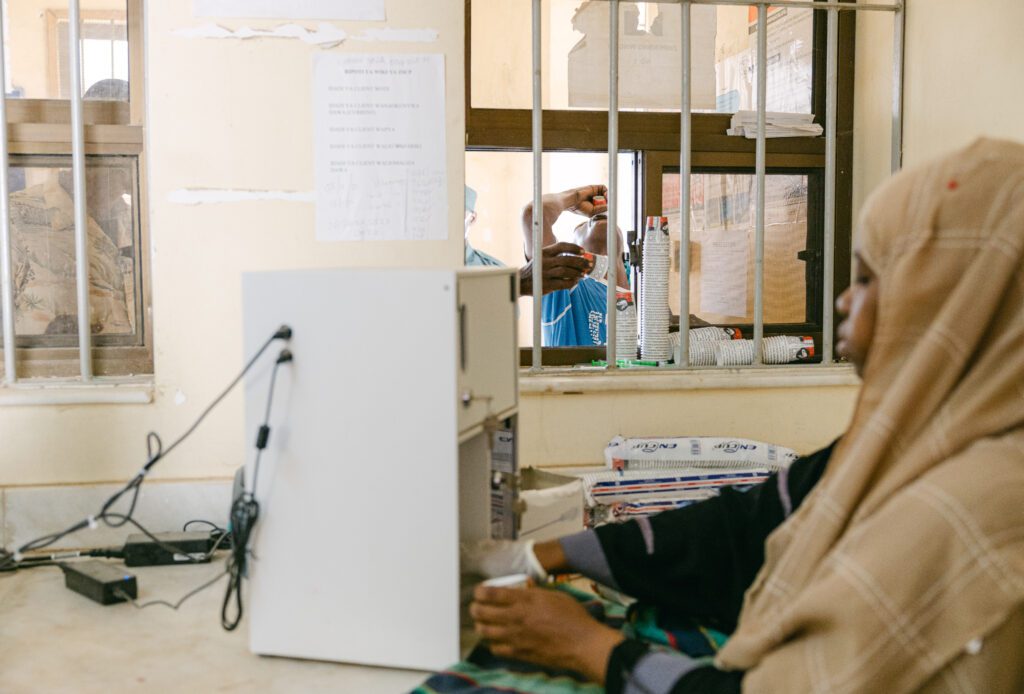
Kolo knows that missing even a single day of methadone dosage can send someone spiralling back into withdrawal and relapse. His role goes beyond ensuring patients show up; he offers them genuine compassion. Each day, he ensures that nearly 1700 substance users receive their methadone doses. He listens to those on the verge of relapse, encouraging them to keep going when withdrawal symptoms threaten to overwhelm them. Patients who might otherwise feel voiceless find solace in his story, seeing in his transformation a mirror of what they, too, can achieve.
Beyond the Clinic Walls
But as part of the programme, Kolo’s role as a community health volunteer extends into informal settlements, places many medical professionals find difficult to enter. Many people battling addiction in these communities often feel forgotten or ashamed. But Kolo’s past resonates with their present, bridging a gap that clinical training alone cannot close. “A doctor cannot go to such places and convince addicts to enter rehab because he does not share the same experience,” Kolo points out. “But when I go, they see I was once where they are now, and I changed. That gives them hope.”
In these hidden corners of the island, he offers both information and inspiration, guiding individuals toward clinics and the rehab centres they might otherwise never visit. “I tell them that I am a good example because I, too, was a drug user, but now I’m normal,” he says. “I used to hurt so many people when I was on drugs, and I hope by saving a few substance users, I’m earning God’s forgiveness.”
For Kolo, it’s not just a job; it’s a profound calling, a path to atone for past mistakes while helping others find their own second chance. He tracks down reactivates of addicts living on the streets because “people always need love” he says adding, “We find patients who have been living on the streets for years and have no idea where their relatives are, so we do everything we can to find them.” He affirms.
“Changing my behaviour has brought me more gifts,” he reflects. “Even getting an opportunity to work with Amref is a wonderful gift for which I am grateful.”
Community Health Volunteers working with those sidelined by society are gifts. In a place as complex and beautiful as Zanzibar, where poverty and drug abuse lie in the shadows of luxury resorts, community health volunteers like Kolo are like the lighthouses guiding people who may have lost hope. By embracing the power of personal redemption, they guide those once written off by society back into the light of family, community, and self-worth.
They are that important third side of the coin, bringing real change. They are regular people, with no extraordinary means or power, just steadfast commitment to caring for the neglected. And for countless individuals seeking a second chance, that commitment can make all the difference in the world.
Author: Wesley Kipng’enoh, Fundraising Content Manager