
In the heart of Kajiado County, Kenya, a quiet yet powerful revolution is underway, one that embraces the interconnectedness of human, animal, and environmental health. This is the foundation of the One Health approach, an approach that recognizes that the health of people, animals, and the environment are interconnected is transforming how healthcare is delivered, particularly in underserved areas where access remains limited and the burden of disease is high. By recognising these vital linkages, the approach ensures more holistic, sustainable, and effective health interventions.
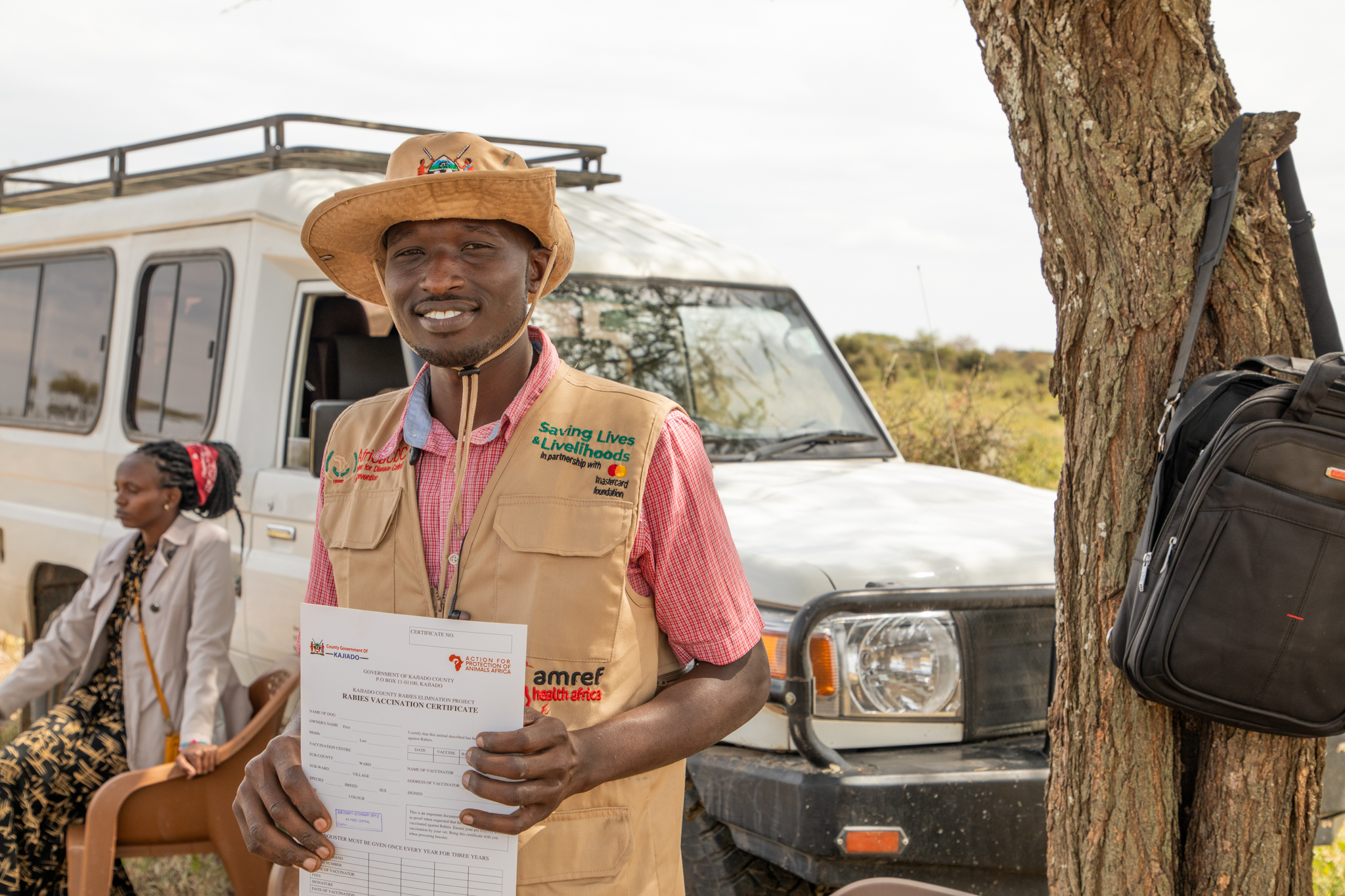
The County Government of Kajiado, with support from Amref Health Africa in partnership with Africa CDC Saving Lives and Livelihoods Project funded by the Mastercard Foundation, conducts regular outreach activities that bring essential services closer to the community. As part of these efforts, animal vaccinations are offered near designated outreach sites, where qualified government veterinarians provide free rabies vaccinations for dogs and cats. While this may appear to be a modest intervention, it plays a crucial role in preventing zoonotic diseases. At the same time, animal owners, primarily women and children, benefit from a wide range of integrated human health services. These include adult life-course vaccinations, family planning, cancer and non-communicable disease (NCD) screening, childhood immunisation, and registration with the Social Health Authority (SHA), which facilitates insurance claims for both health facilities and the county government. These outreach events effectively serve as one-stop shops, delivering holistic health services to both animals and humans.
Through 82 One Health and 111 integrated medical outreaches conducted across 78 health facilities, over 9,600 people were reached with curative care, hypertension, and diabetes screening services, while 3,319 more benefited from community-level health talks. This initiative has administered 8,322 HPV doses—positioning Kajiado County 3rd nationally in HPV coverage—alongside 126 tetanus vaccines, 639 rabies vaccines, and over 3,000 routine childhood immunisations. Additionally, more than 5,000 children in Kajiado South were sensitised on dog bite prevention and management.
A total of 766 (Above 5 yrs: 629, Under 5yr: 137) dog bite cases were reported in the county between January and June 2025.A recent case study from Kajiado County highlights the critical importance of an integrated approach to health. A nine-year-old girl bitten by a stray dog that tested positive for rabies a stark reminder of the urgent need to accelerate and scale up integration efforts. This includes not only timely treatment of affected individuals but also proactive measures such as widespread animal vaccination, community education, and strengthened rapid response mechanisms to prevent future cases.
Monthly community outreaches are organised across the different supported regions. Given the vast and sparsely populated nature of the county, each outreach cycle typically spans two weeks to ensure wider reach and meaningful engagement. Leveraging the Community Health Strategy (CHS), Community Health Assistants (CHAs) work closely with Community Health Promoters (CHPs) to disseminate outreach messages effectively. Mobilisation efforts are carried out through various locally relevant channels, including chief barazas, churches, village WhatsApp groups, door-to-door sensitisation, and home visits. Reaching men in these communities remains a significant challenge, as cultural dynamics often result in low male participation at outreach sites. In contrast, women and children are typically present in large numbers. To address this gap, targeted efforts are being made to engage men through focused health talks, particularly on non-communicable diseases (NCDs) such as blood pressure and blood sugar screening, as well as family planning, especially in support of their spouses’ health.
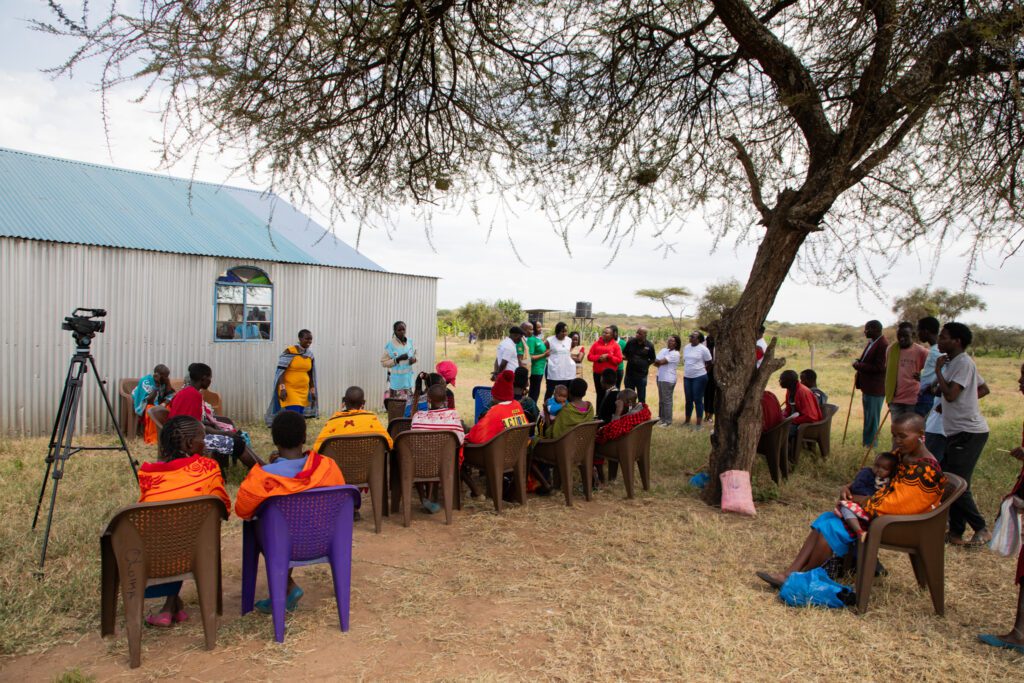
In addition, animal owners have reported significant cost savings by accessing veterinary services locally during outreach activities, rather than travelling long distances to veterinary clinics. This underscores the practical value of the One Health approach not only in disease prevention but also in enhancing the efficiency and affordability of primary health care (PHC) service delivery. The One Health approach is more than a theoretical concept; it is a practical, people-centred model that is already making a tangible impact in rural communities. By integrating human health, animal health, and environmental considerations, it enables the delivery of inclusive, efficient, and life-saving care, advancing efforts to make PHC both accessible and affordable for all.
Authors:
Saida Kassim -Corporate Knowledge Management and Learning
Janekellen Mbae, Regional MEL -Southern Region, Global Health Security Unit
Bryan Ngambi -Regional Program Lead -Southern Region, Global Health Security Unit
Joram Onditi-Project Officer-Kenya
David Mitine-Communication Officer, Global Health Security Unit