
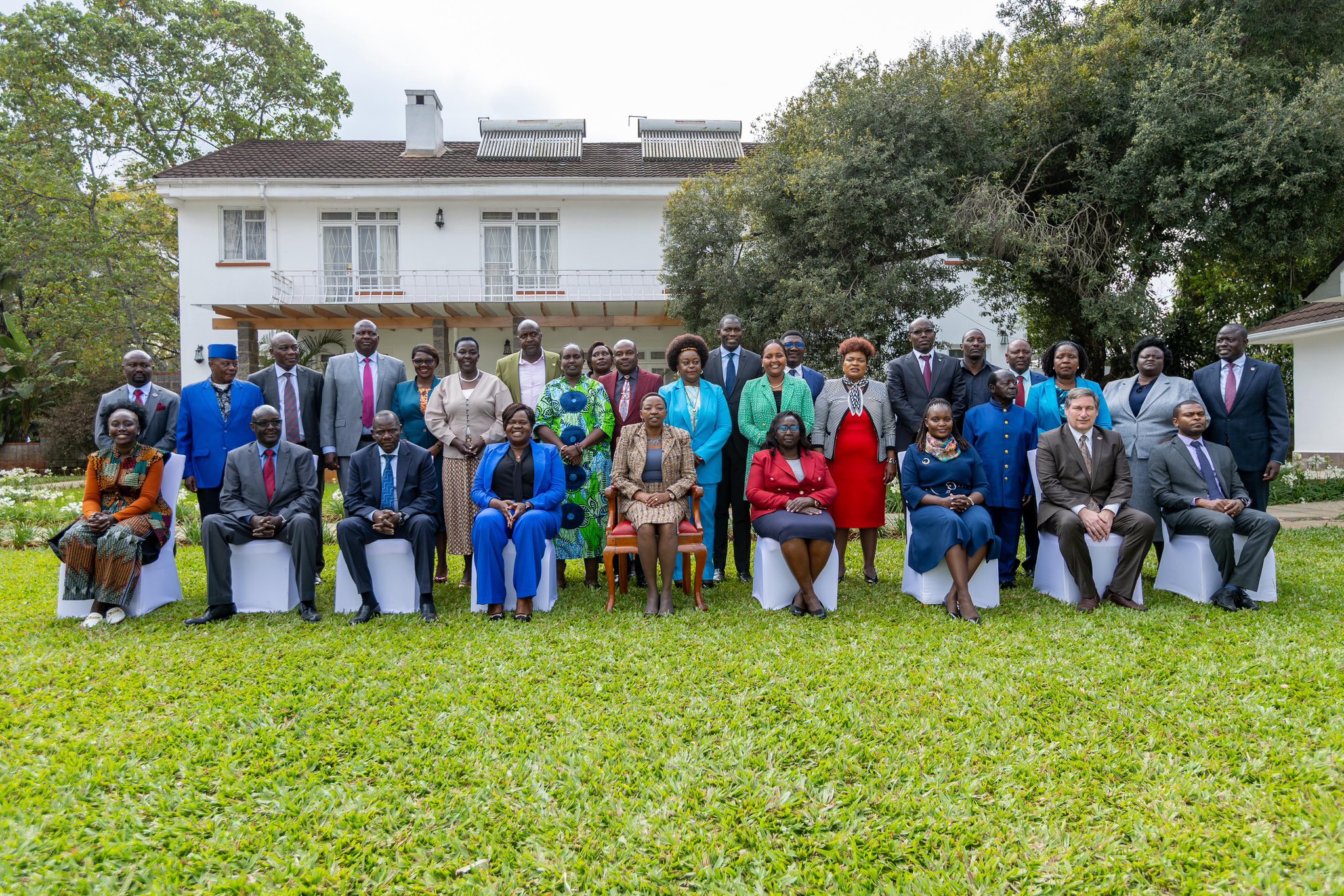
At a recent high-level event hosted by Her Excellency Rachel Ruto, the First Lady of Kenya, leaders from government, civil society, and development partners reaffirmed their dedication to ending the Triple Threat—the interconnected issues of new HIV infections, teenage pregnancies, and sexual and gender-based violence (SGBV) affecting adolescents and young people.
The First Lady’s call to action was clear: Kenya must safeguard its young generation through coordinated, data-driven, and community-led solutions. “Adolescents remain disproportionately affected by these threats, with young girls bearing the highest burden due to structural inequalities, limited access to health services, and socio-economic vulnerabilities,” she emphasised.
Across Kenya and much of sub-Saharan Africa, adolescents continue to bear the brunt of the Triple Threat. The National Syndemic Disease Control Council reports that young people aged 15–24 account for 41% of all new adult HIV infections, while nearly half of women aged 20–24 report having been pregnant during adolescence. At the same time, 17% of adolescent girls experience sexual or physical violence each year, and girls aged 10–17 make up over 40% of all reported SGBV cases.
Strengthening Policy and Systems for Adolescent Health
Under the leadership of the Ministry of Health, partners including Amref Health Africa, UNFPA, UNICEF, UNAIDS, WHO, and LVCT Health are collaborating to enhance the policy environment that enables adolescents and young people to lead healthy, informed lives. Through this effort, the partners have supported the review of the National Adolescent, Youth, and Reproductive Health (AYPRH) Policy—a vital framework guiding how Kenya provides age-appropriate, youth-friendly health services across all counties.
The policy, now in its final stages, underpins the Triple Threat Commitment Plan (2023–2030) and positions adolescents and young people at the heart of national health strategies. It also provides counties with clear direction to expand access to health information, improve school health programmes, and connect youth to quality preventive and curative services.
Speaking during the event, Dr George Githuka, Director of the Disease Control, Prevention and Management Programme at Amref Health Africa in Kenya, noted, “Meaningful change occurs when evidence, inclusivity, and youth participation guide action. The AYPRH Policy embodies this approach, transforming research and dialogue into frameworks that expand access to services and opportunities for adolescents and youth.”
Further, he highlighted that the ongoing partnerships and innovations across sectors are now translating national priorities into tangible outcomes at the county level, strengthening systems that safeguard and empower Kenya’s young generation, including:
Sports for Health: Empowering Teens Through the Power of Play
In Nairobi’s informal settlements, the Sports for Health initiative utilises sports as a powerful tool for education, mentorship, and empowerment. Implemented in Embakasi and Dagoretti sub-counties, the initiative utilises football, taekwondo, and volleyball to promote dialogue on health and well-being, while creating safe spaces for adolescents to learn about reproductive health, develop self-confidence, and acquire essential life skills.
By integrating health education into sport, the programme has strengthened trust between young people, coaches, and health professionals, encouraging open conversations and fostering positive behaviour. Beyond physical activity, the initiative promotes teamwork, gender equality, and respect, thereby helping build stronger, more cohesive communities.
RISE Project: Restoring Hope and Reintegration
The RISE Project adopts a rehabilitative approach to assist young people in conflict with the law in Mombasa, Nairobi, and Kiambu counties. By integrating health education, psychosocial counselling, and vocational mentorship, the project supports adolescents in moving from vulnerability to opportunity.
Recognising that many children in correctional institutions are there due to poverty, neglect, or trauma rather than deliberate offending, RISE emphasises healing and reintegration. Through partnerships with the Department for Children, Services, correctional officers, and community networks, the project strengthens links between the justice, health, and social protection systems. This coordinated approach ensures that once released, young people are connected to education, employment, and community-based care—restoring dignity, confidence, and resilience.
FAYA Project: Driving Innovation Through Faith, Creativity, and Connection
The FAYA Project combines creativity, faith, and technology to combat the Triple Threat in Kilifi, Mombasa, Homa Bay, and Siaya counties. It integrates digital storytelling, comic-book learning, faith-based dialogues, and edusports activities to inspire young people with empowering messages about health, safety, and self-worth.
By collaborating with faith leaders, educators, and youth mentors, the project creates trusted spaces for open discussions on sensitive topics, including sexual health, gender equality, and violence prevention. Its digital and community platforms ensure accurate information reaches young people where they already are: online, in schools, on sports fields, and in places of worship. This innovative approach builds local capacity, combats stigma, and nurtures a generation that is informed, confident, and resilient.
“Lasting change relies on a supportive ecosystem that brings together families, schools, faith institutions, and community health promoters. When partnerships are strong and youth voices drive implementation, transformation becomes measurable and sustainable. As Kenya enters the second phase of the national campaign to end the Triple Threat, we remain committed to working with the government and partners to drive innovation and scale up impact in adolescent health”. Dr Githuka noted.
By Edna Mosiara, Ag Communications Manager.