
Kenya remains one of the world’s high TB burden countries, with an estimated 169,000 new TB cases every year. Yet, in 2019 alone, fewer than 87,000 people were diagnosed and treated, leaving over 82,000 cases undetected. Each missed case is not just a statistic—it represents a life at risk, a family exposed, and a community vulnerable to ongoing transmission.
In Nyandarua County, this challenge is deeply rooted. Despite investments in modern diagnostic tools such as GeneXpert machines, many patients are still left behind due to logistical barriers. A 2021 study at JM Kariuki County Referral Hospital revealed that only 37% of diagnostic needs are currently met. Weak specimen referral systems often mean samples from remote health facilities take days to reach laboratories, delaying results and treatment. For patients already battling the weight of illness, every day lost is a step closer to severe disease or death.
“For Nyandarua, strengthening the Integrated Sample Referral System (ISRS) is timely,” explains Juliana Tsinanga, CECM Health, “the ISRS mobility will reduce travel costs for patients, improve clinical decision-making, and bring equity in access to care.”
Why Integration Matters
Historically, Kenya’s specimen referral systems have operated in silos, tied to specific disease programs like TB, HIV, and outbreaks. This fragmentation has stretched already thin resources and reduced efficiency. Recognizing this, Kenya launched its first National Guidelines for Integrated Laboratory Specimen Referral Networks in 2019, a bold step toward unifying diagnostics.
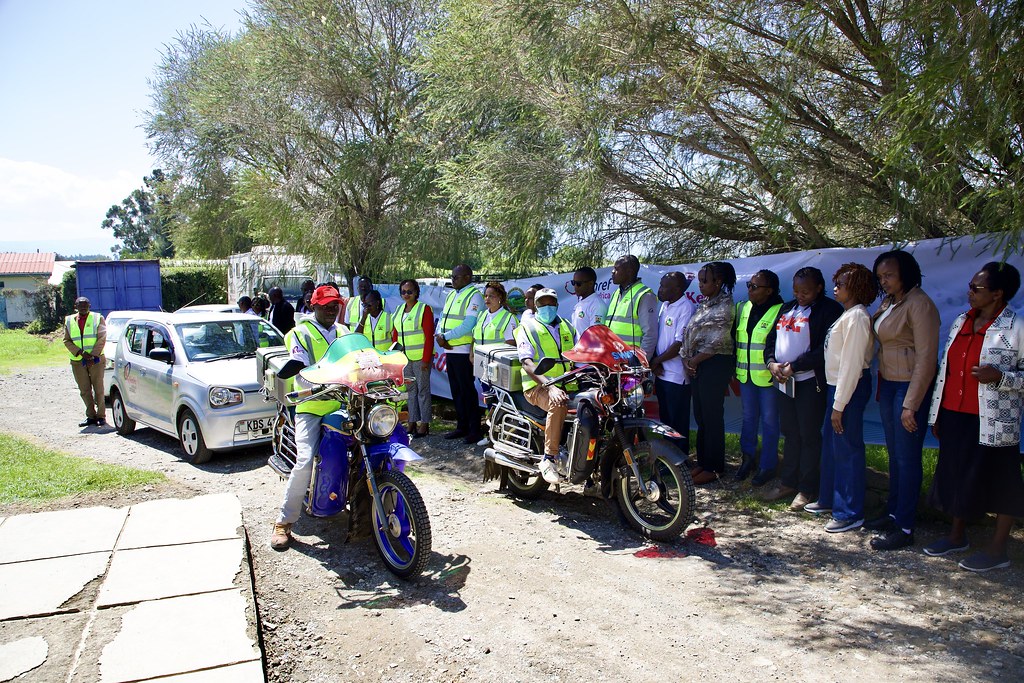
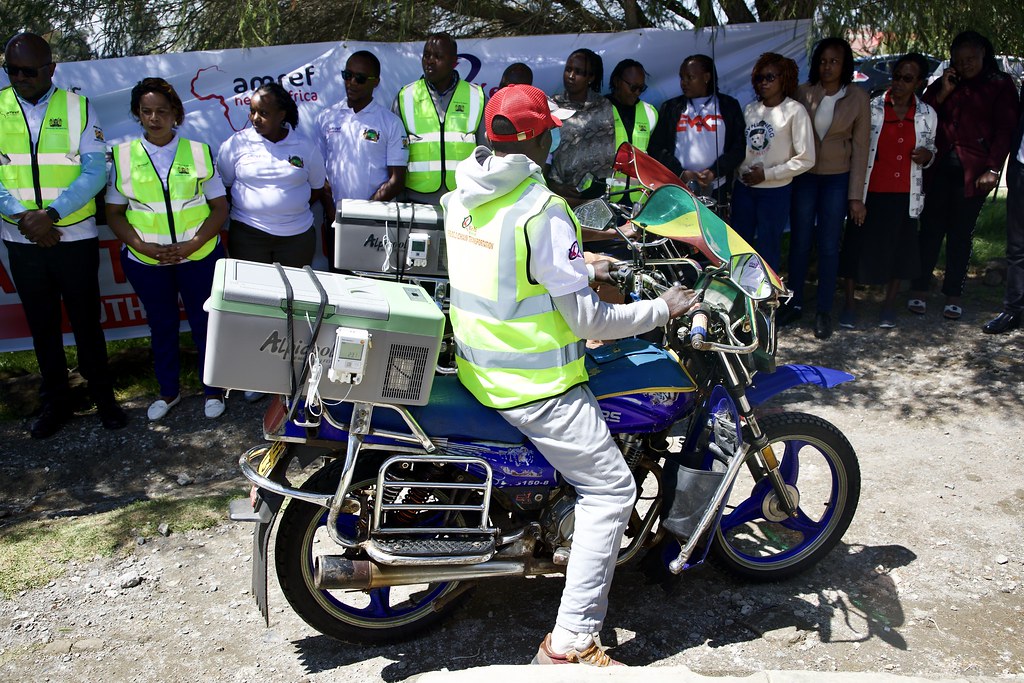
The launch of the Integrated Specimen Referral System (ISRS) cold chain in Nyahururu will transform TB diagnostics in the county. Specially designed motorbikes and vehicles, fitted with cooler boxes and digital tools to track temperature and sample conditions, now guarantee that specimens are transported safely, quickly, and at scale. Nyandarua has mapped all its five sub-counties, linking 84 spoke facilities to six hub laboratories for maximum efficiency and coordination. Trained health workers carefully collect and package samples, while a dedicated fleet of riders and vehicles ensures they reach labs on time.
Supported by the Ministry of Health, KESHI Limited, and UJTP, this hub-and-spoke system is already closing diagnostic gaps—bringing faster results, better care, and renewed hope to patients across the county.
In just one month of operation (August), KESHI Limited has already made a big impact—serving 28 spoke facilities and successfully delivering 118 samples to hubs for testing and diagnosis. Working hand-in-hand with UJTP,the team ensures smooth coordination of riders—avoiding duplication by allocating specific days of the week for each facility visit. This not only saves time and resources but also strengthens efficiency in the specimen referral system.
Yet, progress is fragile. Donor fatigue and logistical gaps threaten to undo these gains. Commodity stock-outs, fewer outreach activities, and reduced mentorship visits weaken the system just as it begins to take root. For patients living with comorbidities like HIV and diabetes, who require urgent and accurate TB diagnosis, the risks are even higher.
Hope Through Innovation and Partnerships
Despite the challenges, Nyandarua’s story is one of resilience and innovation. The county department of health services continues to collaborate with key partners and stakeholders to explore how digital platforms that link TIBU (Kenya’s TB data system) with KHIS2, to enable real-time data sharing for faster surveillance and more responsive planning. Integration of TB testing with HIV and diabetes services is also expanding, ensuring patients get comprehensive care at one point of contact.
Speaking during the launch, Keshi Limited representative, pointed out that, the sample cooler boxes are fitted with smart technology, including Wi-Fi–enabled modems for real-time trackingand AC power back-up systems. If temperatures drop below the required level, riders can simply connect the cooler box to their motorbike to recharge it—ensuring samples remain safe and reducing the risk of damage.
Equally important is the role of Community Health Promoters (CHPs) who raise awareness to help break stigma, encourage early testing, and ensure no one faces TB alone. “When communities understand that TB is preventable and curable, they come forward early, and that saves lives,” says Philomena Moraa, County Engagement and Partnership Coordinator.
A Call to Action
Nyandarua’s experience reflects Kenya’s larger fight: the urgent need to close diagnostic gaps, strengthen specimen referral systems, and invest in sustainable, county-owned solutions. Without this, more TB cases will remain undetected, fueling the rise of drug-resistant TB (DRTB) and reversing decades of progress.
But with stronger partnerships, innovation, and political will, the story can change. Nyandarua is showing that even in rural counties, it is possible to build resilient health systems that deliver equity, efficiency, and hope.
Author: Wekesa Noah, Amref Health Africa