

A delegation of supporters from the United Kingdom, led by Amref Health Africa in the UK and hosted by Amref Tanzania, recently concluded an inspiring four-day visit to health and development projects across Tanzania and Zanzibar. Far from a routine field trip, the visit was a powerful call to action, a journey of deep listening, learning, and renewed commitment to community-led health systems.
“Our supporters came here not only to witness change but to understand the real challenges on the ground, so we can support more strategically and effectively,” remarked Camilla Knox-Peebles, Country Director of Amref UK.
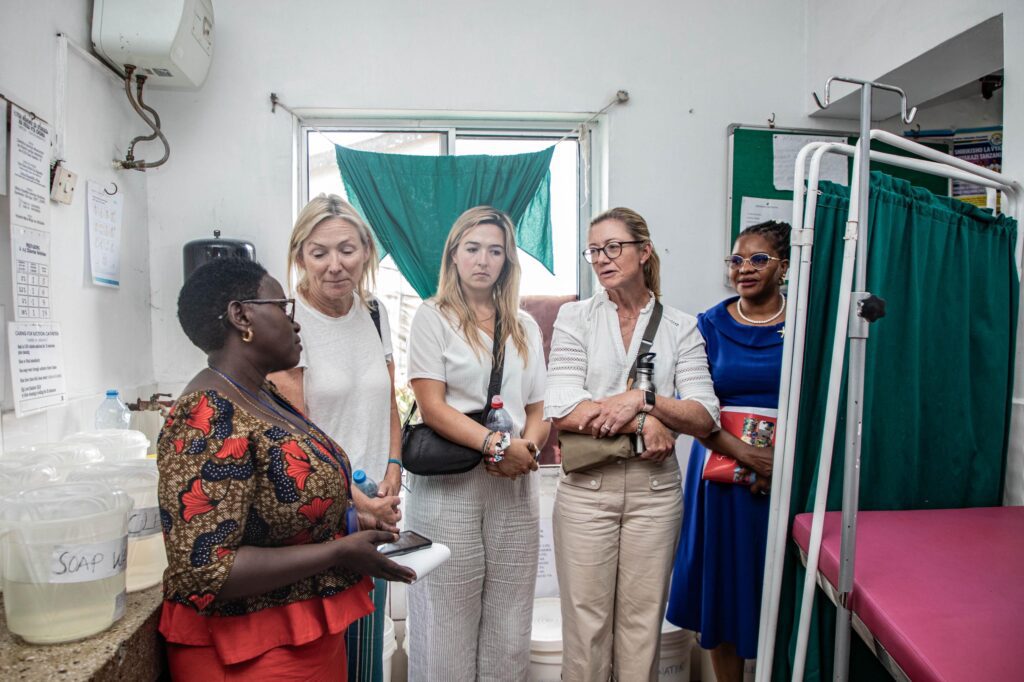
The journey began in Tabata, Dar es Salaam, where the delegation visited the Thamini Uzazi Salama project, a maternal and newborn health initiative funded by Global Affairs Canada and led by UNFPA Tanzania. At Tabata ‘A’ Dispensary, they met with community health workers, faith and traditional leaders, male champions, and beneficiaries whose stories reflected both hope and ongoing need.
Dr Florence Temu, Amref Tanzania’s Country Director, described the programme as “a lifeline for mothers and babies”, and emphasised the importance of continued support. Loth Gunda, one of the 112 trained Community Health Workers (CHWs), spoke of his role as a companion to mothers throughout their pregnancy journeys, “from the first check-up to after they hold their baby in their arms.”
One of his clients, a young mother, shared how Loth’s regular home visits not only ensured she attended antenatal appointments but also engaged her husband in her care. “Giving birth at the clinic felt safe because I was prepared,” she said. Such testimonies underscored the urgent need to address remaining barriers like clinic access, gender dynamics, and cultural norms; issues that the delegation committed to considering in future funding plans.
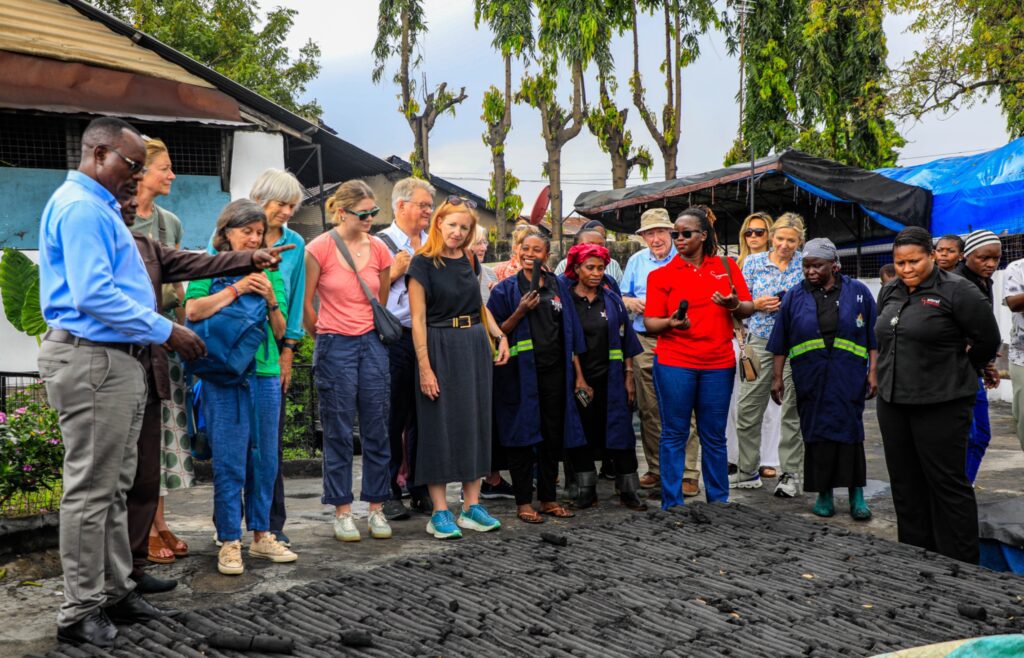
In a shift from maternal health to environmental innovation, the supporters next visited the Taka Ni Mali initiative, where waste is transformed into income-generating opportunities. The project empowers communities to turn household waste into charcoal briquettes, a cleaner, affordable, and sustainable energy source that reduces deforestation and provides income, especially for women and youth.
“We’re turning trash into opportunity and hope,” said Erepidius Nyerere, Chairperson of the Kigilagila Rafiki Mazingira Group. Neema, a mother of three, shared that her participation in the project has allowed her to feed her children, pay school fees, and even enrol in community health insurance for the first time. “It’s not only about income, but also dignity and peace of mind,” she said.
In Zanzibar, the delegation was warmly welcomed by the Minister of Health, Hon. Nassor Ahmed Mazrui, during a high-level courtesy call. He applauded Amref’s longstanding work and reaffirmed the government’s commitment to collaboration in advancing quality, accessible healthcare. Discussions focused on scaling interventions in maternal and child health, HIV/AIDS, and the broader push for Universal Health Coverage (UHC).
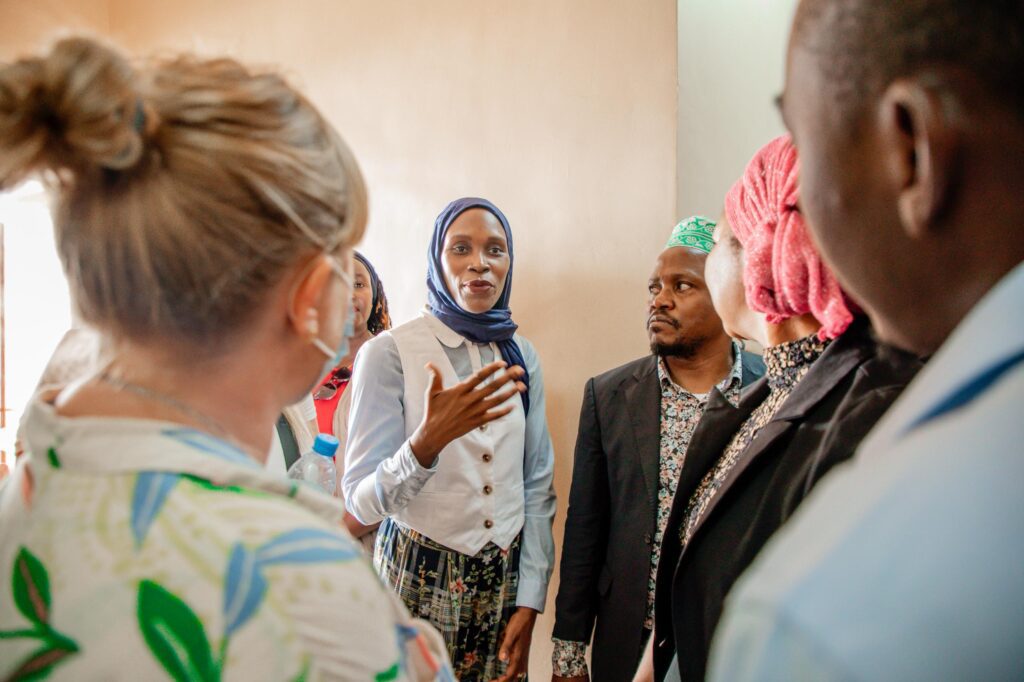
That commitment to equity was echoed in a powerful visit to the Medication Assisted Treatment (MAT) clinic at Kidongo Chekundu. There, the delegation heard moving testimonies from people recovering from drug dependency, many of whom had faced social marginalisation and limited access to care. The MAT clinic combines methadone treatment with psychosocial support and HIV prevention, forming a cornerstone of harm reduction efforts in the region.
“I lost everything to drugs,” said one beneficiary. “But through this programme, I found recovery, health, and hope. I’ve reconnected with my children. I’m building a life again.”
As the visit concluded, the delegation left inspired by the strength of community-led approaches and energised to deepen their impact. “You can read a report, but when you sit with a mother, a health worker, or a recovering client, you understand what your support really means,” said Camilla Knox-Peebles. “Now that we’ve seen the impact, we’re committed to growing it.”
Amref UK will use the insights gained to inform future partnerships, align investments with on-the-ground priorities, and mobilise new resources. As Dr Florence Temu powerfully concluded, “When communities lead and supporters listen, transformation is inevitable. Together, we can do more. Together, we must.”
Looking ahead, sustained investment is vital to build on the momentum witnessed during the visit. Amref is now focused on expanding maternal and child health programmes like Thamini Uzazi Salama to ensure every mother and newborn survives and thrives; scaling community-led innovations like Taka Ni Mali, which simultaneously tackle environmental challenges and drive economic empowerment; deepening integrated HIV prevention and treatment for vulnerable groups such as people who inject drugs, where stigma often limits access to care; and strengthening health systems to deliver UHC across both Tanzania and Zanzibar. These are not isolated interventions but are building blocks of a more just, resilient, and inclusive future. With strategic donor partnerships, these local successes can be scaled into lasting national impact.