

The Global Health Workforce Programme (GHWP II), funded by the UK Department of Health and Social Care, supports Health partnerships between the UK and Ethiopia, Malawi, and Somaliland to address nationally and locally identified health workforce priorities and challenges. Global Health Partnerships (formerly THET) is the Fund Manager for the Programme.
For years, Malawi’s frontline health workers delivered essential services under difficult conditions, often without structured systems to guide performance, assess progress, or support professional growth. This gap weakened accountability, supervision, and motivation, particularly for Disease Control Surveillance Assistants (DCSAs), who play a critical role in disease prevention, surveillance and community engagement.
The GHWP II programme has strengthened the health workforce by introducing a standardised Performance Management System (PMS) alongside Continuous Professional Development (CPD) and embedded Gender Equality and Social Inclusion (GESI) principles. The initiative aimed to professionalise community health work, align service delivery with national health workforce priorities, and improve the quality and availability of training opportunities, contributing to more resilient health systems and improved health outcomes.
Amref Health Africa provided technical leadership and capacity building, the Medical Council of Malawi as the regulatory body, while the Ministry of Health ensured national ownership and policy alignment. District managers and supervisors were trained to implement PMS as a supportive, developmental process rather than a punitive one.
“Performance management has helped shift the mindset from simply completing tasks to delivering results,” says McDuff Msukwa, Director of Human Resources at the Ministry of Health. “Health workers now understand what is expected of them, how their work contributes to achieving universal health coverage and how they can continuously improve. That clarity has strengthened accountability and motivation at all levels.”
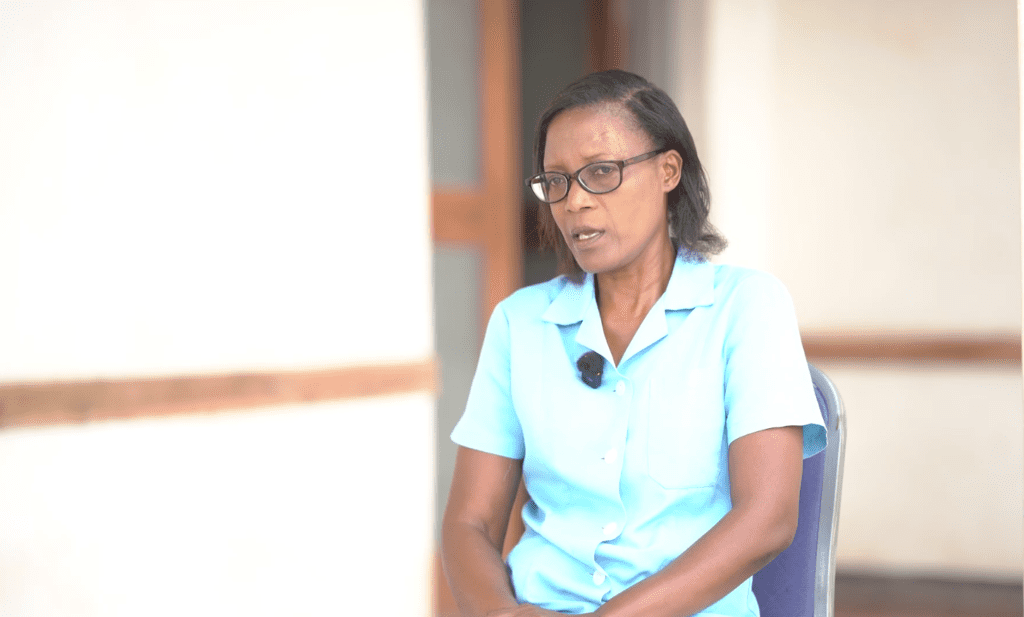
For health workers like Josaline Mambo, a DCSA in Mangochi, the change has been tangible. “Before, I worked without clear targets. Now I set goals, monitor my progress, and know where to improve.” She explains. Emily notes that tracking targets through PMS has led to improved service delivery outcomes. In her catchment area, vaccine coverage increased, and household visits have risen, reflecting better planning and accountability.
Kondwani Julius, a DCSA in Salima, adds that he is more organised and more accountable for his results, and that he feels better supported by his supervisor.
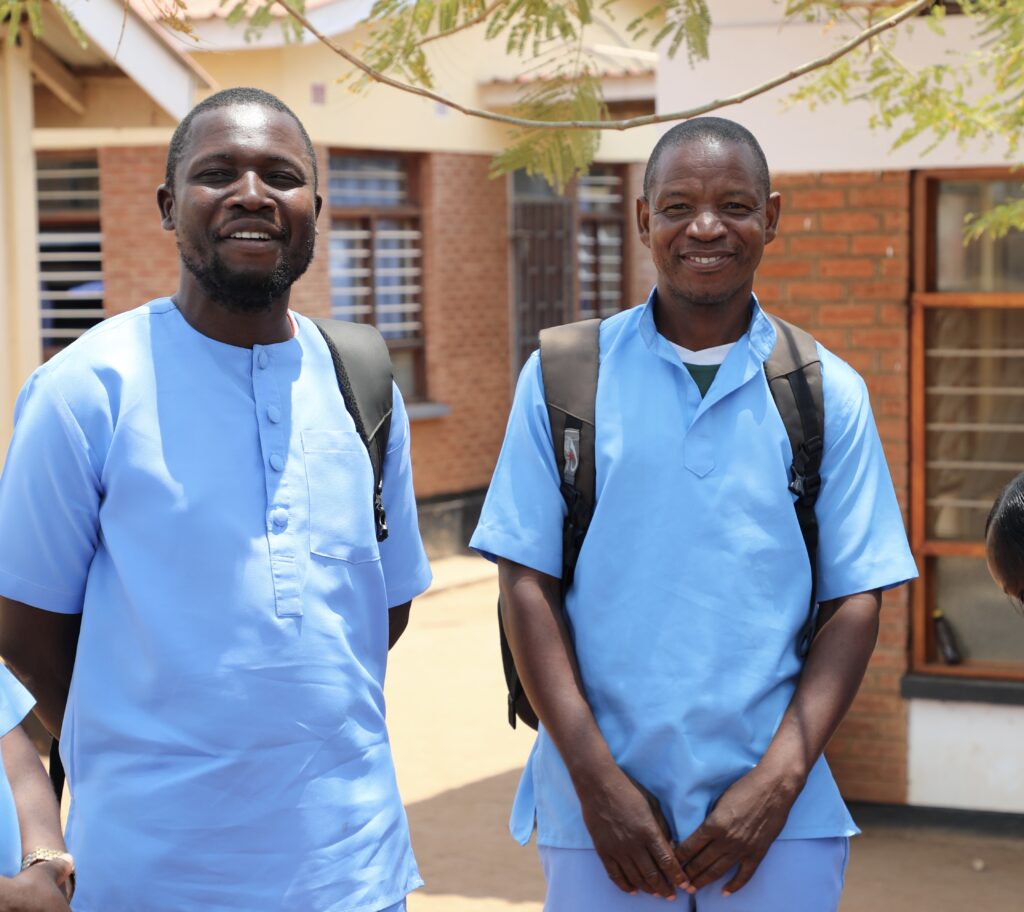
To date, 997 health workers, including 888 DCSAs and 109 supervisors and managers, have been trained in PMS, CPD, and GESI. Health workers now develop annual work plans, participate in structured performance reviews, and receive regular supportive supervision.
Districts such as Mangochi, Karonga, and Salima have reported improved planning and reporting, and more consistent delivery of community health services. These improvements have enhanced disease surveillance, household follow-up, and community trust, demonstrating that investment in structured systems, not just training, delivers lasting impact.
GHWP II aligns with Malawi’s Health Sector Strategic Plan III and the Human Resources for Health agenda, contributing more widely to Universal Health Coverage. Sustainability is central: all tools and systems are embedded within Ministry structures, supervisors and managers are prepared to fully own PMS and CPD processes, and the digital learning platform remains housed within government systems.
GHWP II demonstrates how equitable and mutually beneficial health partnerships can strengthen the health workforce and build more resilient health systems by transforming how health workers are supported, managed and motivated, delivering measurable benefits for communities and long-term value for donor investment.