

Primary Health Care is often the first and most consistent point of contact between young children and the health system. Yet in many settings, services for children under three still prioritise survival outcomes such as immunisation and nutrition, with far less structured attention to early stimulation, responsive caregiving, and developmental monitoring. This gap means children may survive infancy but enter school already behind in development, highlighting the need for PHC systems that support not only survival, but thriving.
“The antenatal clinic is the first place where mothers are introduced to nurturing care,” explains Nurse Fredrick Andika. “This is where we begin teaching them how to talk to, bond with, and respond to their babies even before birth. We also encourage fathers to accompany their partners so they can learn this together from the very beginning.”
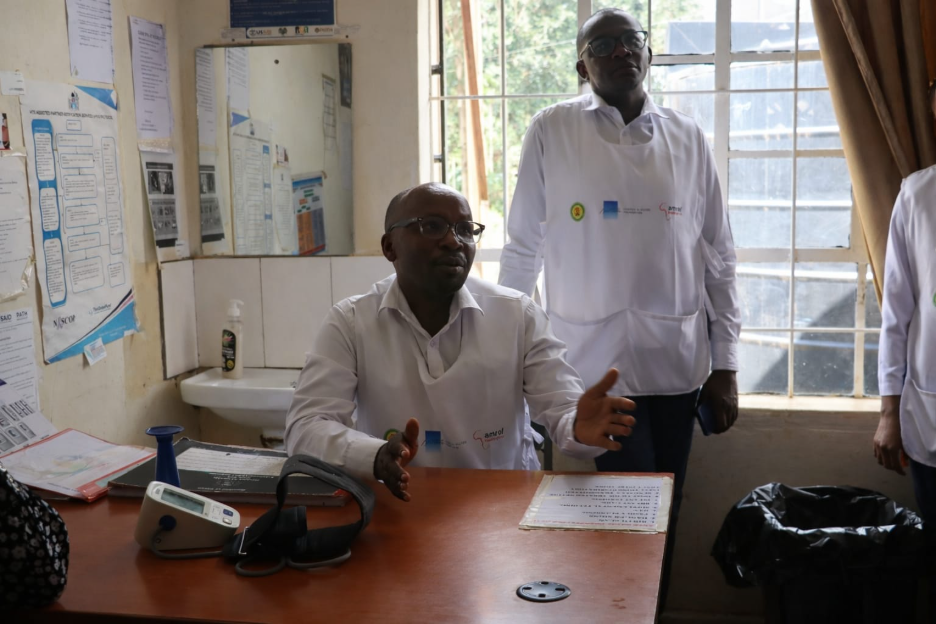
For children aged 0–3 years, Primary Health Care (PHC) is often their first structured interaction with the world beyond the home. Long before school, it is through antenatal care, postnatal visits, immunization clinics, and child welfare services that children and caregivers repeatedly engage with systems that shape early development. Globally, an estimated 250 million children under five risk not reaching their developmental potential due to poverty, poor nutrition, and limited early stimulation.
Within these early touchpoints, nurturing care is increasingly being understood beyond survival. Health workers describe a deliberate shift toward responsive caregiving, safety and security, and early stimulation and learning as part of routine care. They note that integrating nurturing care into already busy clinics requires time, skills, and supportive supervision. Without dedicated space, materials, and continuous training, nurturing care risks becoming an “extra” rather than a core service.
Parents are encouraged to begin nurturing care even before birth—reading stories aloud, singing to the unborn baby and practicing gentle bonding activities. After birth, milestone-appropriate play and toys become essential tools for stimulation and learning, helping children develop motor, cognitive, speech and social emotional skills. Children who receive responsive caregiving and early stimulation in the first three years are more likely to perform better in school and have improved health and economic outcomes later in life.
A nutritionist, Dellys Nyamusi, points to breastfeeding as one of the earliest opportunities to observe development: “We encourage breastfeeding because it is not only about feeding a child. When a baby is breastfeeding, we are watching how they look at you, how they respond, how they coordinate their movements. Those moments help us identify developmental concerns early.”
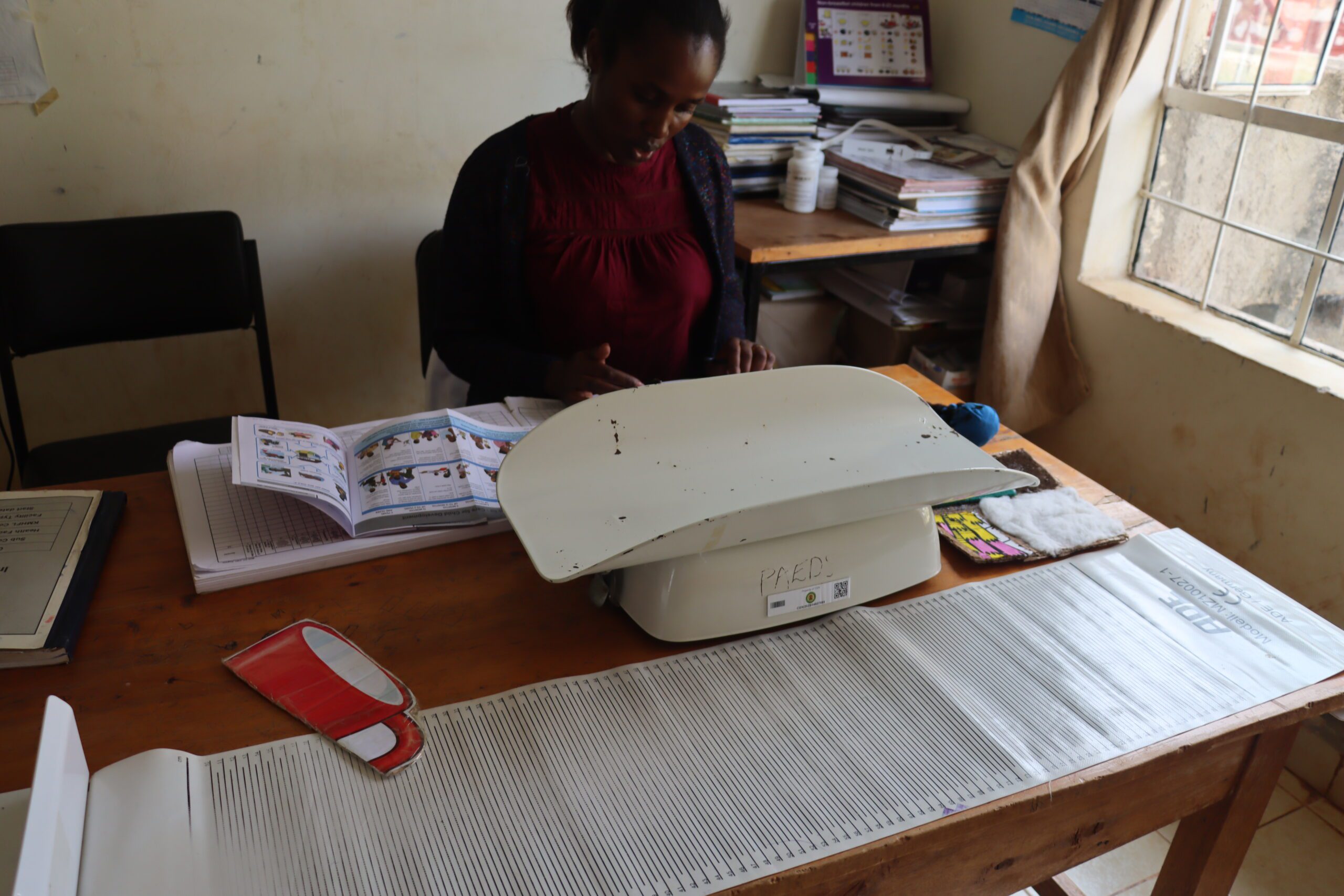
Early identification continues beyond nutrition. Speech therapist Divina Moraa explains how community-level services have changed when and how developmental concerns are addressed:
“When speech therapy is available on the ground, we do not have to wait for a child to start speaking to know something is wrong. Children who are not reaching milestones on time can begin therapy early, and in some cases are referred for further support. This has reduced stigma and social discomfort around children who develop differently.”
These changes are not without challenges. Health workers acknowledge that closely spaced pregnancies can limit the time and attention caregivers are able to give to responsive interaction and early learning. Paternal involvement in play and stimulation also remains limited in many households, shaped by social norms that still frame caregiving as primarily a mother’s role.
At a system level, however, there is growing clarity that survival alone is not enough. Dr. Donald Mogoi Nyamira’s health CEC emphasizes:
“We need to look at our health system and how it enables us to promote child thriving as much as child survival. It is not enough for a child to survive. We must also ensure they are meeting their developmental milestones as they grow. That means strengthening our systems, programmes, and collaboration, and providing Nurturing Care interventions at health facilities that support early learning, not just vaccination.”
This integrated approach reflects Amref Health Africa’s Primary Health Care Big Bet, which focuses on strengthening PHC systems to deliver comprehensive, people-centred services at scale. By embedding nurturing care within routine antenatal, postnatal, nutrition, and child welfare services, the initiative supports counties to move beyond vertical child survival interventions toward stronger PHC systems that enable children to grow, learn, and thrive
Despite growing recognition of the importance of nurturing care, investment in early childhood development remains inadequate, particularly for interventions that focus on the first three years of life. Much of the existing financing has prioritised child survival and nutrition, with limited resources allocated to responsive caregiving, early learning, and developmental monitoring. However, Primary Health Care presents clear opportunities to mobilise and sustain domestic financing for nurturing care by embedding these interventions within existing health budgets, county planning processes, and routine service delivery platforms. By integrating nurturing care into PHC systems that are already funded and operational, counties can strengthen developmental outcomes without creating parallel structures, ensuring more sustainable, scalable, and cost-effective investment in early childhood development.
Across Primary Health Care, these voices point to the same conclusion. The first years of life, from pregnancy to age three, are not only about keeping children alive. They are about ensuring that nurturing care begins early enough for children to thrive.
From the first antenatal visit to a child’s third birthday, Primary Health Care holds one of the most powerful opportunities to shape not just survival, but the foundations of a thriving generation.
About the Strengthening NCfECD in PHC Project
The Strengthening Nurturing Care for Early Childhood Development in Primary Health Care (NCfECD in PHC) Project is a multi-year initiative led by Amref Health Africa in Kenya to integrate nurturing care for children aged 0–3 years into routine Primary Health Care services. Implemented in Nairobi, Nyamira, and Isiolo counties, the project strengthens PHC systems to deliver responsive caregiving, opportunities for early learning, and safety and security alongside developmental monitoring and counselling. Working with county governments, community health systems, and ecosystem partners, the project embeds nurturing care across antenatal care, child welfare clinics, immunisation services, and household follow-up, while strengthening health information systems, workforce capacity, and sustainable county-level financing to support early identification, tracking, and referral for developmental delays.
Author: Paullete Adhiambo – Communications Associate, Amref Health Africa