

Africa’s greatest opportunities often emerge in the spaces where challenge meets creativity. Nowhere is this truer than in health. Across the continent, the lessons of the past decade—pandemics, economic shocks, and climate pressures—have made one truth clear: sustainable health systems cannot be imported. They must be imagined, built, and led from within.
In the decade ahead, Africa’s most powerful lever for strengthening its health systems will be locally driven innovation—solutions designed by communities, for communities, using the resources and realities around them.
Health systems in much of Africa face limitations that are well known: chronic underfunding, stretched workforces, and uneven access to care. But these constraints also create a unique catalyst for innovation. Rather than wait for investment to trickle down or infrastructure to catch up, African innovators are leapfrogging with technology.
Artificial intelligence (AI), for instance, is enabling a revolution in efficiency and access. When used responsibly, AI allows health systems to reduce waste and get more “health for every dollar.” It helps identify disease patterns early, speeds up diagnosis, and supports frontline workers with data-driven decision tools. Most importantly, it helps bridge the gap between limited resources and immense need—offering a practical path rather than a distant dream.
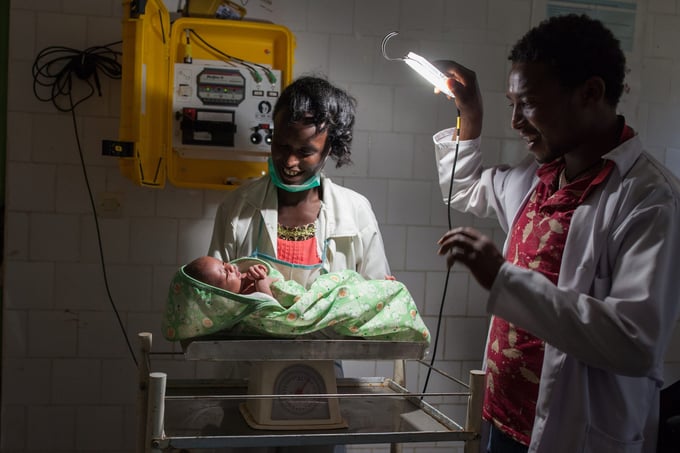
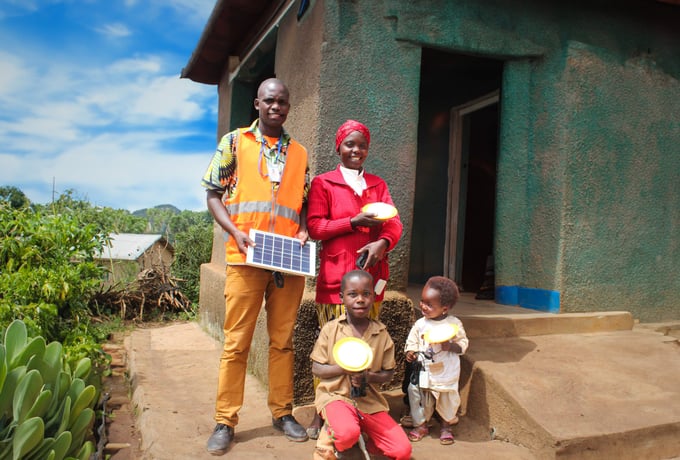
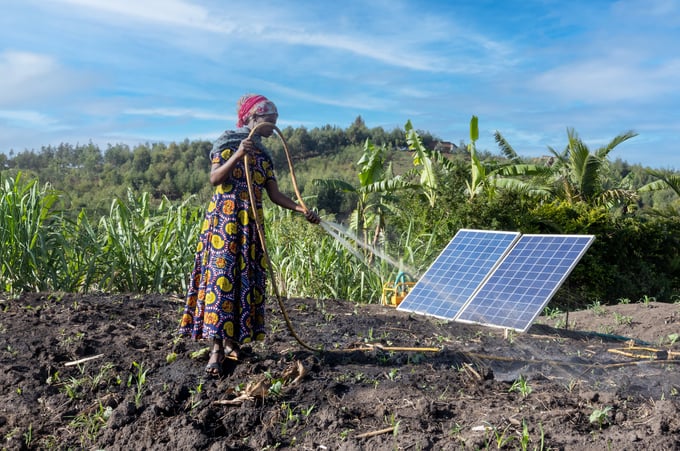
Another quiet but profound revolution is happening through renewable energy. A health facility that can store vaccines reliably because it has solar power, or a household that no longer exposes children to smoke from cooking fires, demonstrates how climate progress and health progress are deeply intertwined. Renewable energy not only shrinks the carbon footprint of health delivery, but it also directly improves lives.
The next phase of Africa’s health innovation is not about invention alone, but about integration—embedding new tools into public health systems, financing mechanisms, and national delivery models. Without this, innovation remains fragmented, unable to reach the scale or durability that health systems demand.
Additionally, innovation is not only about technology; it is equally about mindset. For too long, the relationship between health providers and communities has been a one-way street: experts prescribing, communities receiving. But that traditional model is fading. Today, people across Africa are increasingly equipped with information and tools that empower them to own their health journeys.
This democratisation of health—where knowledge flows freely and communities participate as equal partners—is one of the most transformative shifts of our time. When enabled citizens use mobile platforms which are integrated into their day to day lives to engage, track symptoms, monitor nutrition, or access health education, they become active agents, not passive recipients. This rebalanced relationship creates trust, strengthens local ownership, and ultimately makes health systems more resilient.
As a member of the Zayed Sustainability Prize selection committee, I have witnessed firsthand what locally rooted innovation looks like when given a global stage. What distinguishes this Prize is not just its celebration of innovation, but its insistence on impact. It does not reward flashy gadgets or abstract ideas—it rewards solutions that solve real problems and sustain real lives.
The Prize has a unique formula: global visibility, catalytic funding, and a deep respect for communities as the ultimate test of relevance. In doing so, it connects innovators and practitioners from across the world who share a simple yet powerful idea: that the future of sustainability will be written not in laboratories or boardrooms alone, but in villages, schools, clinics, and social enterprises that are changing the story on the ground.
The next ten years offer Africa a window to redefine what a resilient, equitable health system looks like. Governments must align innovation ecosystems with health priorities. Investors must look beyond traditional metrics to back community-driven ventures. Academia and civil society must collaborate to turn research into accessible, affordable tools.
But beyond institutions, we need belief—belief that African ideas, born from necessity and shaped by local wisdom, can lead the world in sustainable health breakthroughs.
That is why platforms like the Zayed Sustainability Prize are so essential today. They not only recognise excellence; they accelerate it. They uplift the voices of those creating change, however modest their beginnings, and connect them with partners who can scale their impact.
For innovators across Africa working to transform healthcare—in villages, urban settlements, or research hubs—this is your moment. Whether you are pioneering digital diagnostics, clean cooking solutions, or community-led health education, your ideas matter. I urge you to step forward and pay attention to the Zayed Sustainability Prize by sharing your work.
Africa’s health future will not be delivered—it will be designed. It will be shaped by those who dare to imagine a healthier continent and work tirelessly to make it real. Local innovation is not just our best hope; it is our greatest responsibility.
Article first published on: https://www.theafricareport.com/brandcontent/411814/africas-health-future-depends-on-homegrown-innovation/