
Vaccines are among the most effective public health tools, preventing serious illnesses, disabilities, and deaths in children. Immunisation protects against diseases like measles, polio, and pneumonia, ensuring children survive and thrive into adulthood. When children are not immunised, they face higher risks of severe illness, complications, or death from preventable diseases, and the broader community becomes vulnerable to outbreaks.
Zero-dose children are those who have not received a single dose of any routine vaccine by their first birthday. Programmatically, zero-dose children are often measured using the absence of the first dose of Penta 1. These children are often the most vulnerable, living in underserved communities facing significant health system, geographical and social barriers,and are the focus of efforts to close immunisation gaps.
In Busia County, the Reach-Out Project, in a study on immunisation, identified supply-side barriers as key obstacles to reaching zero-dose children. The study established that operational, infrastructural, and health system-level challenges, such as gaps in microplanning, irregular outreach scheduling, and disruptions in continuity of care, are key reasons children are missed, even when vaccines are available. KHIS data and Reach-Out journey mapping showed that at least 4600 people, especially in last-mile and cross-border communities, remain unreached due to these persistent challenges. Other factors, such as seasonal floods in areas such as Budalangi, a poor road network, and cross-border movement between Busia (Kenya) and Uganda, disrupt both vaccine transport and child-tracking systems.
A nurse in charge at the Matayos Health facility highlighted the ongoing difficulties: “Geographical and physical barriers are a constant challenge. Many children simply cannot reach a health facility. Poor road networks and a shortage of health workers make access even more difficult for those who need it most.”
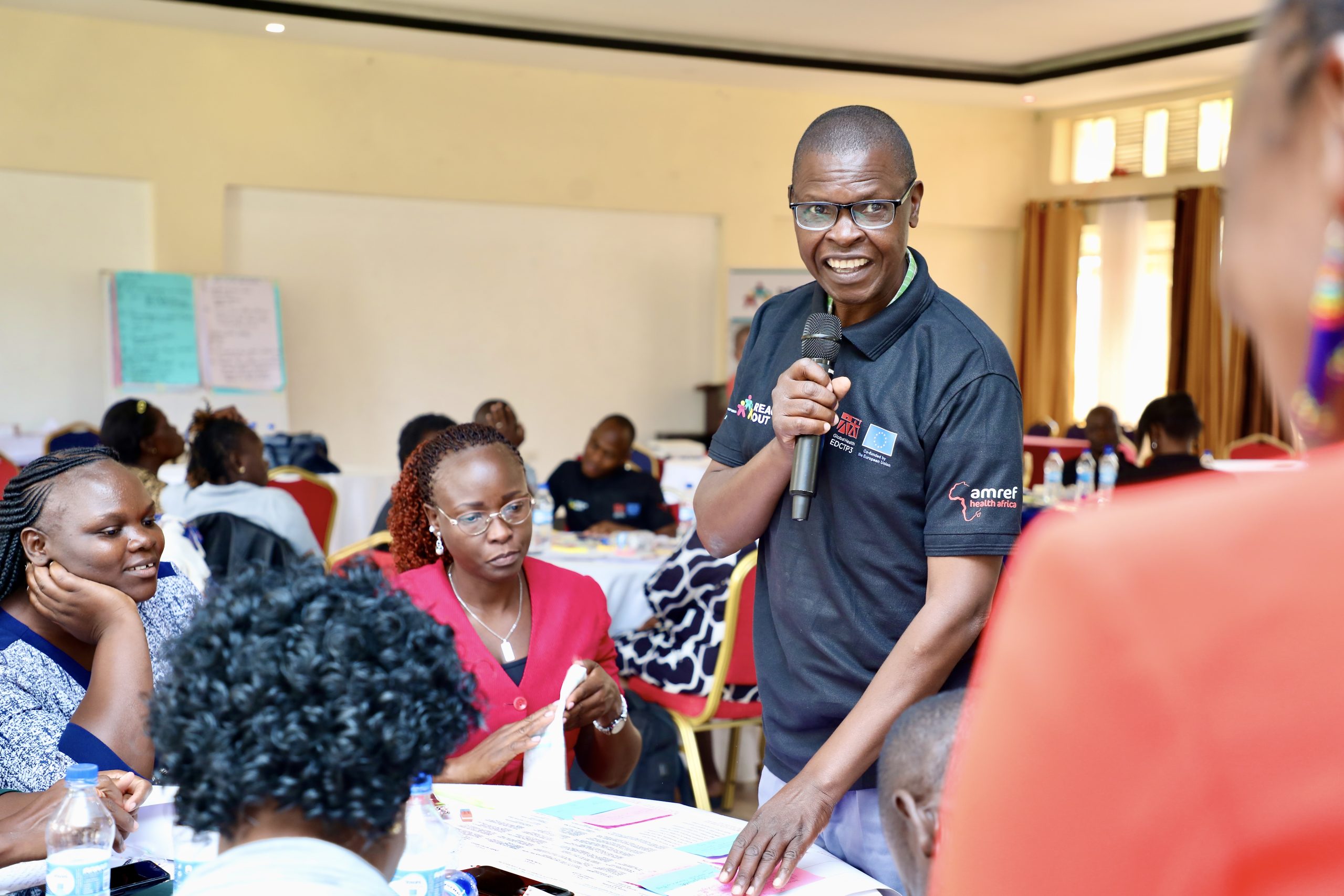
To move from evidence to action, the Reach-Out Project and key partners convened a results-sharing workshop with caregivers of children under 2 years, CHPs, health stakeholders, and local leaders. This workshop was key to validating study insights with those on the front lines and collaboratively identifying practical solutions to overcome barriers. The engagement of Caregivers, Community Health Promoters (CHPs), nurses, facility managers, and county health officials in these discussions was key to ensuring the solutions addressed real operational challenges and could be implemented effectively.
The Busia County Referral Hospital, HRIO explained, “Our immunisation numbers are consistently higher due to our location at the border. Many mothers cross from Uganda to Port Victoria, giving birth there but coming to Kenya for vaccines. This cross-border movement directly drives the increase in our vaccination figures.”
A journey-mapping exercise on the supply side was conducted, giving health workers space to reflect on the realities of immunisation delivery from birth through to completion of the vaccine schedule. By walking through the service pathway together, the stakeholders identified where breakdowns occur, hidden barriers, and how disruptions at one point can affect the entire continuum of care and increase the risk that children will become zero-dose or drop out before completing their vaccination.
According to PHO, Bumula Sub-County Hospital, “The people in charge of the microplans do not share them with CHPs. Even the CHAs don’t know the details of the microplans.”
Although trust and caregiver beliefs influence immunisation uptake, the Reach-Out Project found that supply-side barriers, such as stock-outs, unreliable service, and inadequate outreach, have a greater impact on vaccine uptake. These problems often arise from resource limitations, logistical challenges, and system inefficiencies. For example, when outreach sessions are cancelled due to supply constraints, CHPs and health workers report setbacks in community trust and turnout. The project also found that frequent lack of transport funds and supplies made it difficult for health workers to consistently reach remote areas and sustain service delivery.
Empowering CHPs and health workers with reliable resources, supply chains, and support systems is crucial to closing the immunisation gap.
“If we don’t have tools to track these children, it becomes difficult to document them.” – Facility in Charge, Teso North.
The Reach-Out Project further documented that unreliable funding, recurring vaccine stock-outs, and insufficient logistics are persistent supply-side barriers. Poor forecasting, limited county-level procurement autonomy, and cold chain weaknesses, including broken refrigerators and unreliable electricity, compromised vaccine integrity. Nurses and CHPs reported covering transport costs themselves or making repeated trips to fetch vaccines due to a lack of facility refrigeration, resulting in inefficiency and reduced service delivery. These barriers underscore the need for health leaders to identify bottlenecks and advocate for the resources required for effective immunisation.
The Reach-Out Project also identified that the health workforce, including CHPs, nurses, and facility staff, faces mounting pressure from ongoing staff shortages, high turnover, and limited incentives for serving hard-to-reach areas. These factors contribute to fatigue, low morale, and reduced service quality. Disruptions in funding and policy reforms were found to further threaten service continuity. Additionally, weak data systems, fragmented records, poor documentation, and missing indicators for tracking zero-dose children impede timely follow-up with the most at-risk children. Strengthening workforce support and building data capacity were key recommendations from the Reach-Out study to ensure every child is immunised.
Despite these challenges, a clear path forward exists. The Reach-Out Project demonstrates that solutions must be co-created, data-driven, and tailored to local contexts, with CHPs and other healthcare workers at the centre. Prioritising improved microplanning, resilient outreach systems, robust cold chain infrastructure, and secure funding is critical. Empowering CHPs and facility teams to lead community engagement, use data for follow-up, and sustain outreach is key to closing the immunisation gap. Integrating immunisation with broader primary health care, increasing data visibility with tools like eCHIS, and improving cross-border coordination will help ensure no child is left behind.
The lesson from Busia is clear: zero-dose children are not inherently hard to reach; they are being missed by the system. Closing this gap requires health systems to rethink planning, delivery, and community engagement, ensuring every child receives the care they need, regardless of location.
Author: Wekesa Noah, Digital Communications and Engagement Officer, Amref Health Africa
Contributors: Joan Mmboga, Judy Akinyi, Paul Maleya and Yvonne Opanga from the Research Unit, Amref Health Africa in Kenya