
Over 270,000 lives transformed in Jimma and Borena through water innovation and strategic partnerships
In a significant step toward closing Ethiopia’s water and sanitation gap, Amref Health Africa in Ethiopia, in partnership with EngenderHealth, the Oromia Regional Government, and with generous support from the Kingdom of the Netherlands, inaugurated a series of transformative Water, Sanitation, and Hygiene (WASH) facilities on 16 June 2025. Located across the Jimma and Borena zones, these interventions are designed to deliver lasting impact in some of the country’s most underserved communities.
The infrastructure, valued at over ETB 100 million (USD 745,000), signals a new era for equitable water and sanitation access in the region. Spanning 72 schools, health institutions, and surrounding communities, the facilities will impact over 270,000 individuals, including 160,000 people now gaining reliable access to safe water and 117,000 benefiting from enhanced sanitation services.
From infrastructure to impact
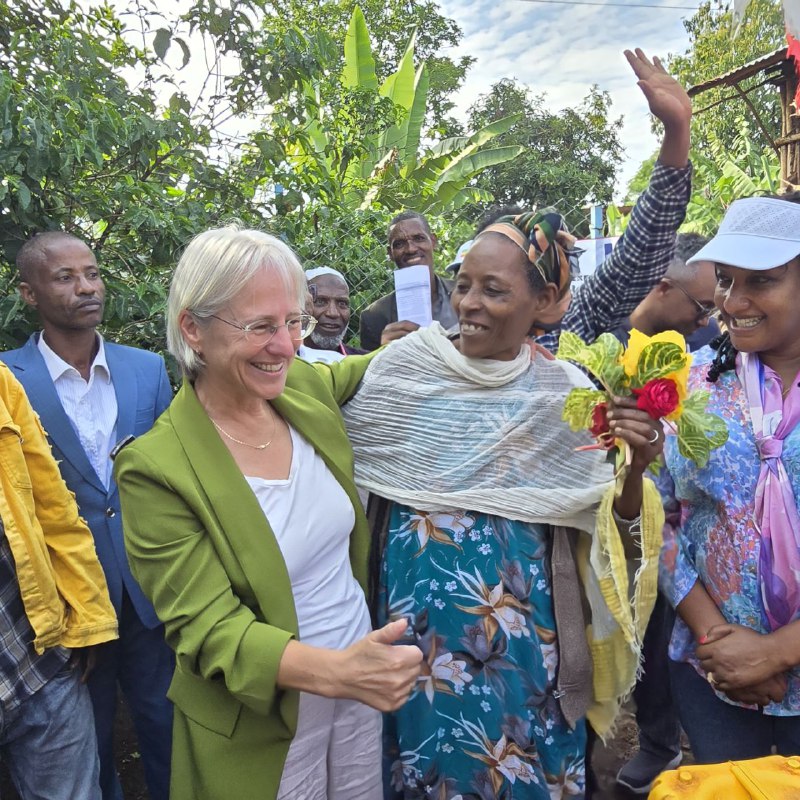
Part of the Reach, Expand, and Access Community Health (REACH) project, this initiative goes beyond infrastructure. It is reshaping the lived reality for communities historically sidelined from essential services. Students, health workers, and households in the targeted areas now have access to dignified, hygienic spaces, laying the groundwork for improved health outcomes and educational performance.
Among the highlights of the project:
- 18 new water systems constructed
- 8 major water source and pipeline repairs
- 46 water line extensions, many solar-powered to ensure sustainability in off-grid zones
- 53 new school sanitation facilities
- 8,000+ households benefiting from improved sanitation infrastructure
Three primary health care units and six health posts have also been connected to safe water, directly supporting infection prevention and control measures critical to frontline healthcare delivery.
Sustainability and local ownership at the core
What makes the REACH project a standout is its model of sustainability. It’s not just about the infrastructure, it’s about systems that last. From solar-powered pumps to low-cost maintenance mechanisms and decentralised community management, the project is engineered for longevity.
But perhaps its most strategic move has been securing community buy-in. Local governments, public-private stakeholders, and residents themselves contributed financially and in-kind, building a deep sense of ownership. This collaborative model is key to ensuring that the systems remain functional and impactful long after implementation.
By prioritising sustainability, cost-effectiveness, and community leadership, the REACH project stands as a model for transformative WASH programming across Ethiopia. It exemplifies how strategic partnerships can create lasting change in public health and education.
The newly built facilities were officially handed over during a two-day visit on June 15–16 in Shebe and Gomma districts. The event brought together key stakeholders, including the Dutch Ambassador to Ethiopia and senior officials from the Oromia Regional Health, Water, Energy and Education Bureaus—underscoring the high-level political and diplomatic support driving this initiative.
A blueprint for scalable WASH solutions

As Ethiopia and the broader continent grapple with the dual challenge of water scarcity and climate vulnerability, the REACH project offers a blueprint for integrated, sustainable, and community-led WASH programming. It aligns seamlessly with Ethiopia’s commitment to the Sustainable Development Goals—particularly SDG 6 on clean water and sanitation.
At its core, the initiative demonstrates how strategic investment, innovation, and local engagement can coalesce to deliver public health solutions that are scalable and replicable.
This story transcends building water systems. It’s a story about building resilience, restoring dignity, and unlocking the potential of communities in Africa—one drop at a time.