
As an old saying goes, “What is not documented never happened.” In the fight against tuberculosis (TB), this truth could not be more urgent. TB affects more than 124,000 people in Kenya each year, yet in 2024, only 96,000 people were notified, leaving a staggering 28,000 people undiagnosed and untreated. These are not just numbers. They are lives slipping through the cracks. These missing people with TB presents a major challenge since one undiagnosed person can infect up to 15 people per year.
Yet despite these challenges, Kenya has achieved remarkable progress: a 41% decline in TB cases and a 66% reduction in TB-related deaths. But these gains are now under threat. Funding cuts have led to shortages in diagnostic tools and essential medicines, rising drug-resistant TB (DR-TB), and missed opportunities to integrate TB and HIV services, especially at the primary health care level. While treatment duration for DR-TB has improved from 18 to 6 months, many people remain undetected, untreated, and unheard.
At the heart of the response lies Kibra, a dense informal settlement in Nairobi and home to Amref Health Africa’s community health programming since 2002. Originally a cholera treatment center, the Kibra Amref Health Centre now provides integrated care for TB, HIV, and other primary health services, reaching over 50,877 clients annually with the support of 200 Community Health Promoters (CHPs).
In 2024 alone, Kibra Sub-County recorded 327 TB cases, nearly a third of which were managed at Amref’s health facility. Nairobi notified a hooping 14,000 TB cases, and an estimated 40% of infections remain undetected in the County, a stark reminder of the urgent need to close the gaps.
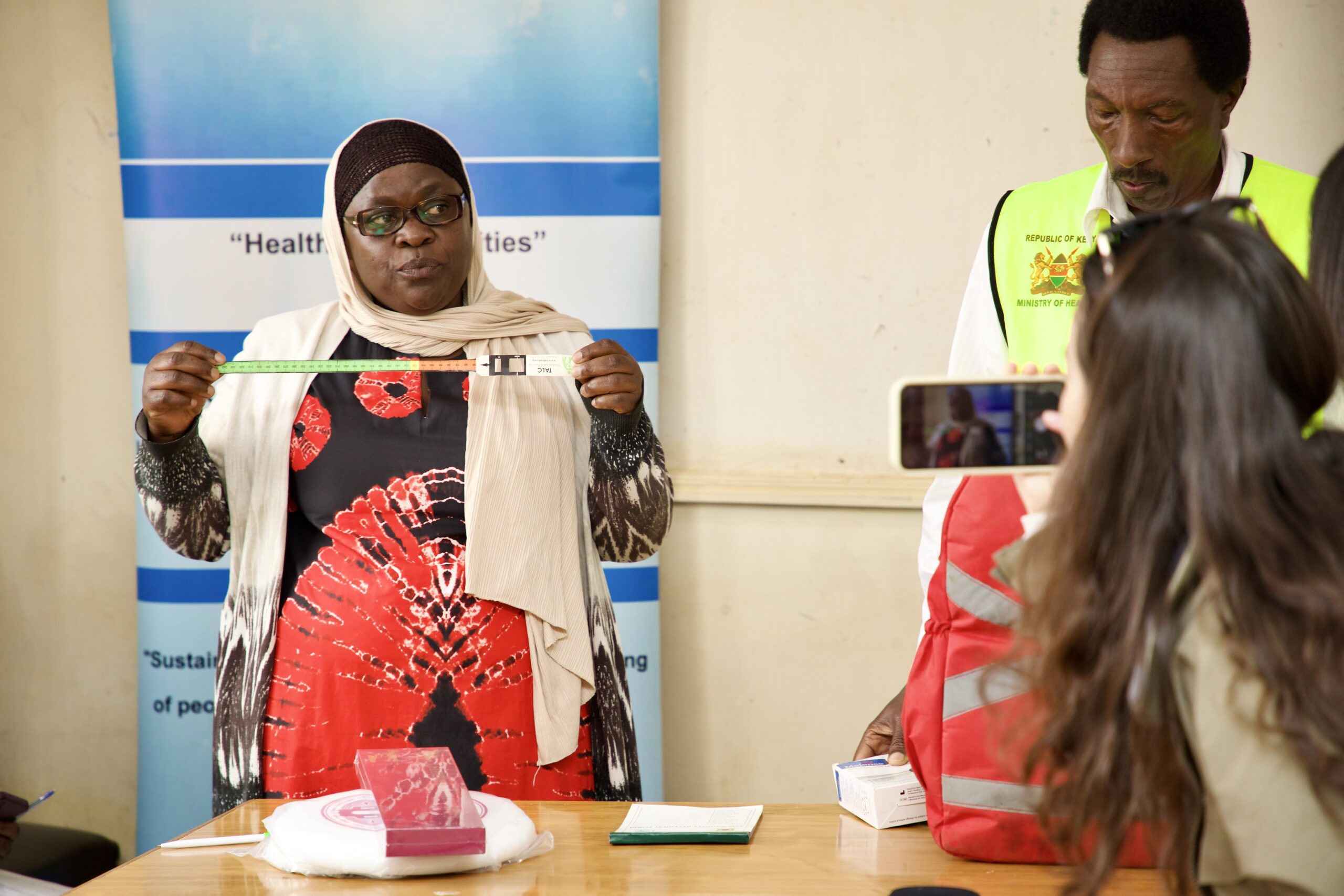
CHPs: The Silent Warriors of TB Detection
Community Health Promoters are the backbone of Kenya’s TB response. They:
- Visit households on a day to day basis and carry out health promotion through health education on various health issues including TB.
- Carry out TB contact screening for all patients diagnosed with infectious TB.
- Organise psychosocial support groups for TB patients and host community dialogues.
- Track treatment adherence through Directly Observed Therapy (DOT) visits, especially for DR-TB patients.
- Trace patients who interrupt TB treatment and return them to treatment.
“We can’t sit in the facility and wait for patients,” says Sara Chandi, Sub-County TB Coordinator. “Our CHPs go door-to-door, identify cases early, and ensure people stick to treatment. Six months of consistent care saves lives.”
Mental Health Matters: Healing Beyond Medicine
TB does more than weaken the body, it wears down the mind. Many patients battle depression, stigma, and social isolation. Psychosocial support, often overlooked, is critical to recovery.
“I’m truly grateful to Amref for the monthly stipend and wellness sessions,” says Mildred Musili, a TB survivor and mother of two. “They’ve been my lifeline. Some days, I feel overwhelmed, but the sessions give me space to breathe, cope, and find strength.”
Research shows that counselling, peer support, and mental health integration improve adherence to TB treatment, particularly for those with drug-resistant strains or pre-existing mental health conditions.
“Without addressing psychosocial needs, TB treatment remains incomplete,” Mildred adds. “A true cure requires both medical and emotional healing.”
Amplifying Community Voices Through Partnerships
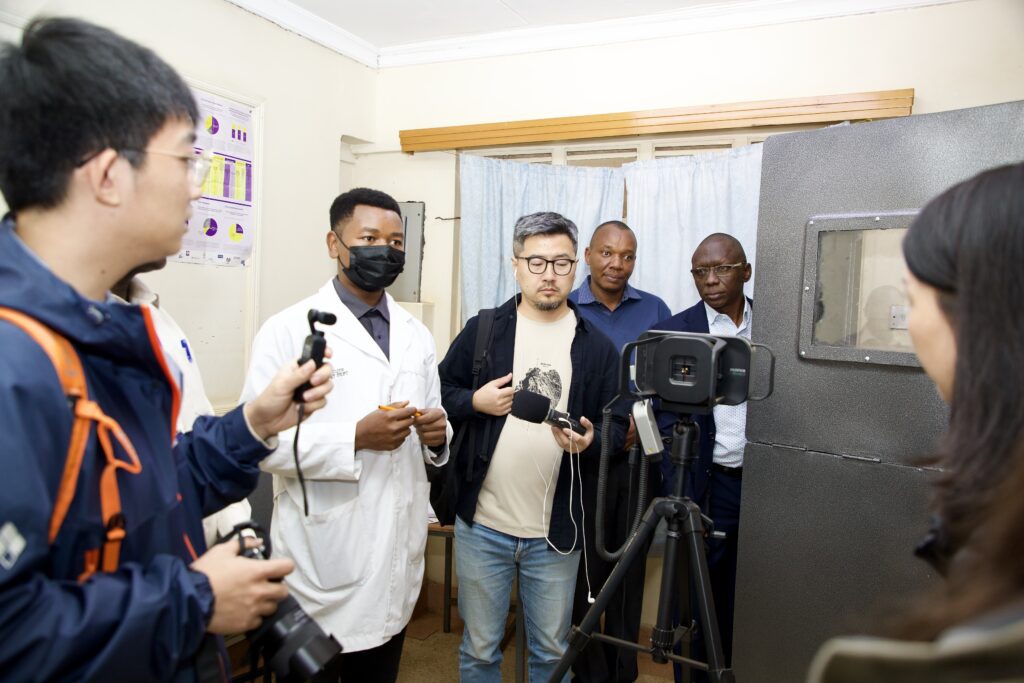
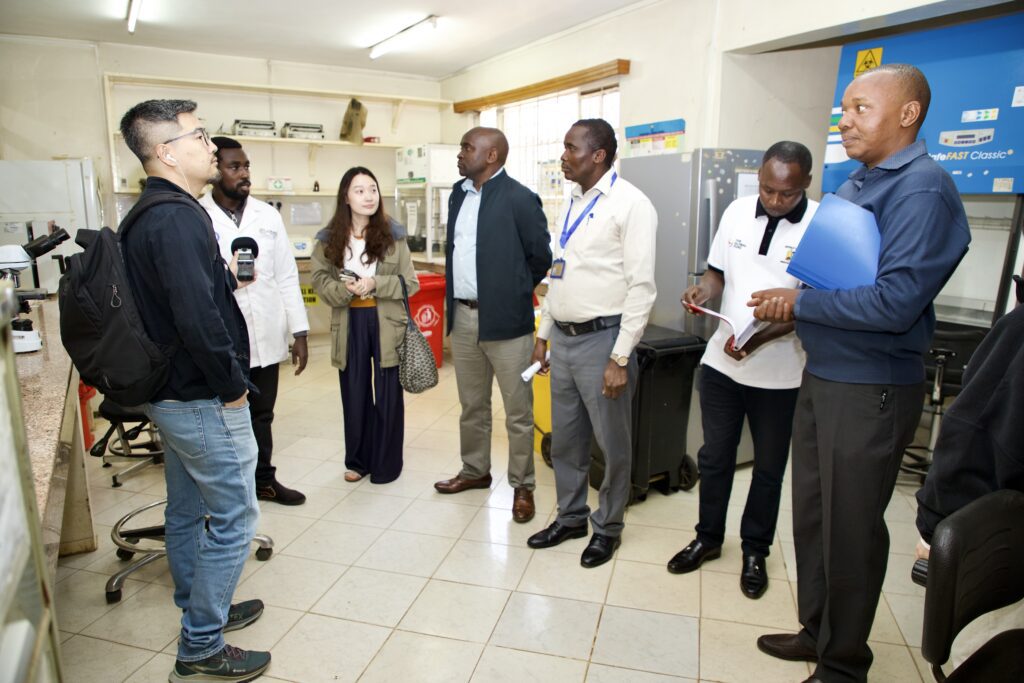
Recently, students and journalists from GATES/Tsinghua University visited Amref Kibra Community Health Centre to learn how community-led TB initiatives are shaping public health in informal settlements. The visit, coordinated in partnership with the National Tuberculosis, Leprosy and Lung Disease (NTLD-P), Kenya Coordinating Mechanism (KCM), and Amref Health Africa in Kenya, highlighted the critical role of community voices in driving accountability and impact.
Amref, with support from the Global Fund is investing in the last mile, equipping CHPs with training, tools, and resources to close the gap in TB diagnosis and care. But as the data shows, thousands remain invisible. Documenting these stories is not a luxury. It is essential.
“With the invaluable support of the Global Fund, we are implementing impactful interventions right at the grassroots level. Our collaboration with CHPs allows us to actively conduct TB screenings in the community, manage TB contacts, and trace individuals who may have interrupted their treatment. Our mission is clear: we aim to identify those with TB as early as possible, provide effective treatment, and ensure a full recovery.” John Mungai, Technical Advisor, Amref Global Fund TB Programme.
Dr Immaculate Kathure, Head of the NTLD-P, emphasised the importance of community storytelling. It’s not just about visibility; it’s about saving lives. This is the core of our commitment.
Author: Noah Wekesa W., Amref Health Africa.