
When Veronica Kioko, a Community Health Promoter (CHP) in Machakos County, visited a grieving family in her village, she never imagined how profoundly that visit would change lives. The family had recently lost a loved one to undiagnosed tuberculosis (TB). Drawing on her training and digital tools, Kalinda screened the household and identified three more infections.
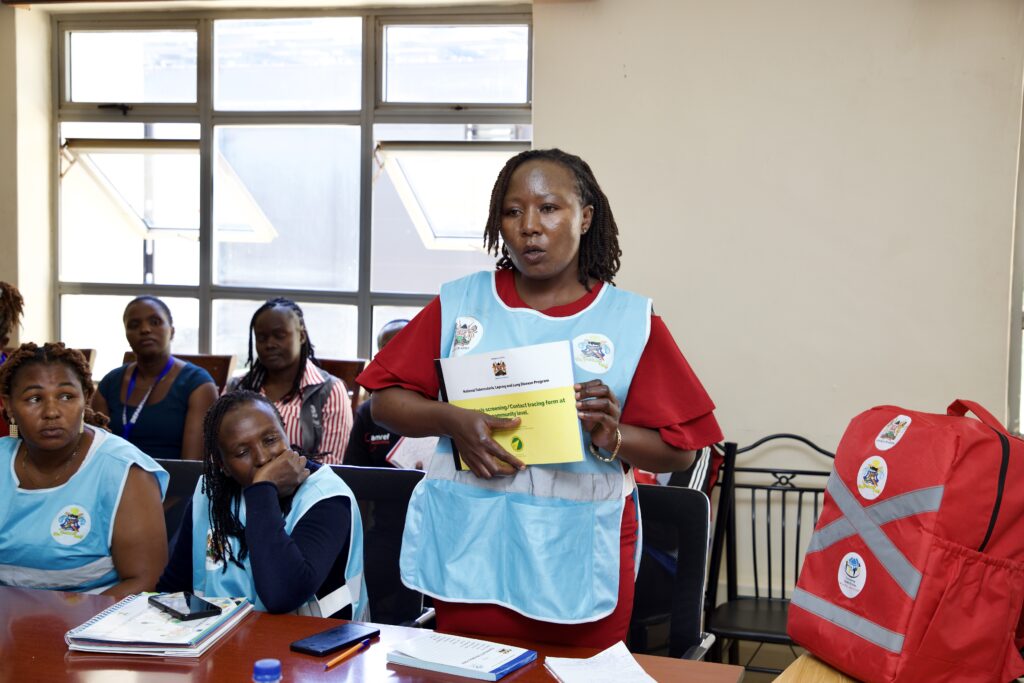
Her swift action ensured that all three family members received timely treatment at Machakos Level 5 Hospital—and recovered fully. Veronica is among over 2,000 CHPs supporting communities across Kenya through the Global Fund TB grant, strengthening disease surveillance, early detection, and referral systems that save lives.
From Global Investments to Local Impact
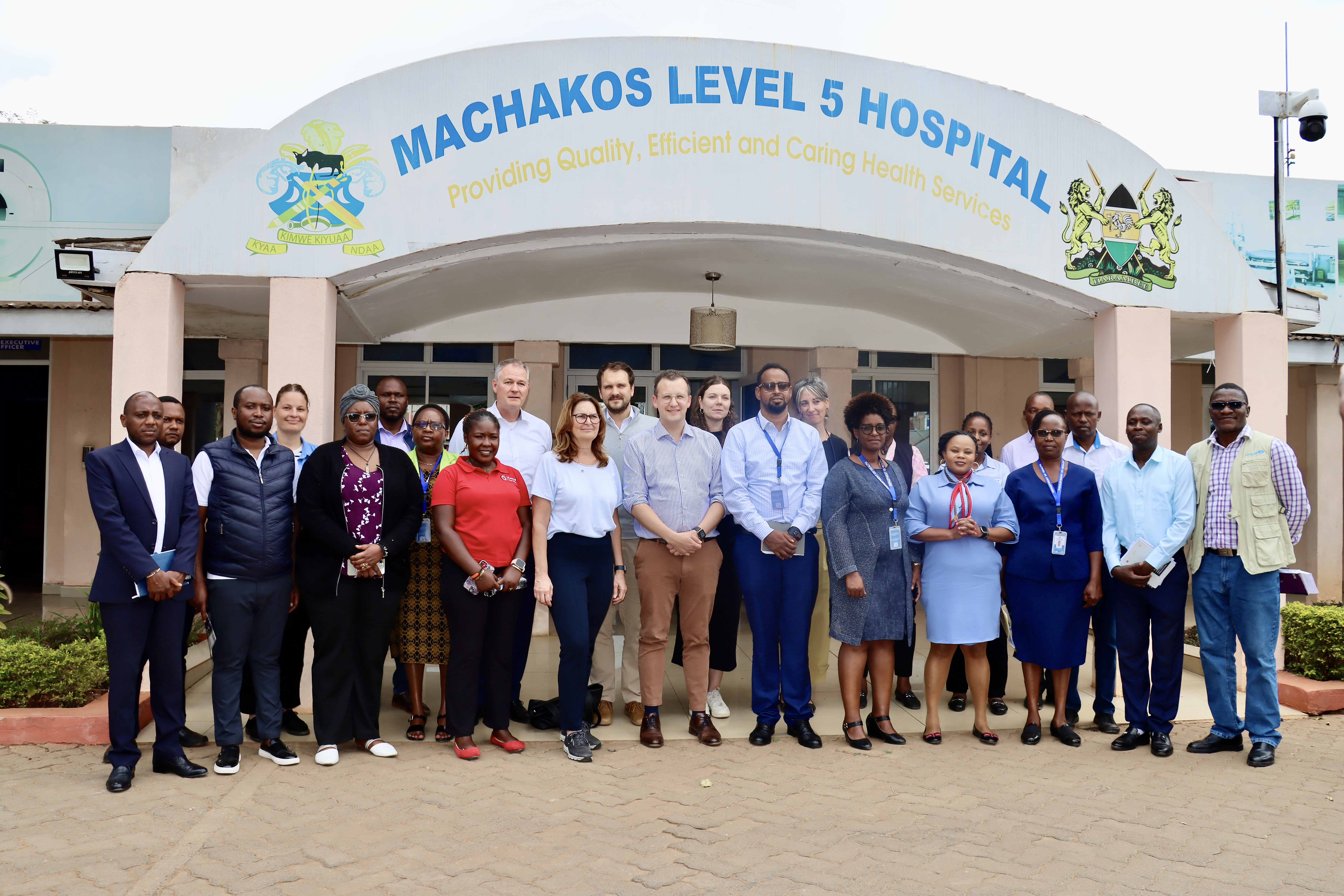
A recent visit to Global Fund–supported sites in Machakos County brought this impact to life. A delegation of German Members of Parliament, the Global Fund, and GAVI, accompanied by Amref Health Africa in Kenya, the Ministry of Health, and the Kenya Red Cross Society, witnessed how sustained investments are expanding access to diagnosis and treatment, reducing infection rates, and empowering communities through data-driven primary health care.
The visit, part of the Global Fund’s 8th Replenishment initiative, demonstrated how Kenya’s integrated approach—combining community leadership, digital innovation, and coordinated investments—is transforming outcomes for TB, HIV, and malaria.
As the fourth-largest public donor, Germany has contributed more than €5.3 billion to date and pledged an additional €1.3 billion for 2023–2025, a 30 per cent increase from its previous commitment. These resources are not just financing programmes—they are saving lives, strengthening health systems, and building community resilience to future health threats.
Local Action Driving Systemic Change
Kenya’s Cabinet Secretary for Health, Hon. Aden Duale, reaffirmed the government’s commitment to strengthening primary health care through 2,000 community health units and over 110,000 trained CHPsnationwide. He emphasised that CHPs—like Veronica—form the backbone of Kenya’s health system, providing household-level care and linking communities to essential services. He also highlighted the Taifa Care Model and the rollout of the Social Health Authority (SHA) as critical reforms that expand equitable access to quality, affordable care.
Digital Innovation for Faster, Smarter Health Decisions
At Machakos Level 5 Hospital, the delegation saw how technology is improving service delivery and accountability. The hospital manages nearly half of Machakos County’s 2,000 annual TB cases, including drug-resistant strains, with CHPs tracing contacts and conducting household screenings.
Through the Electronic Community Health Information System (eCHIS), CHPs like Veronica collect and transmit real-time data, enabling early detection and prompt response.
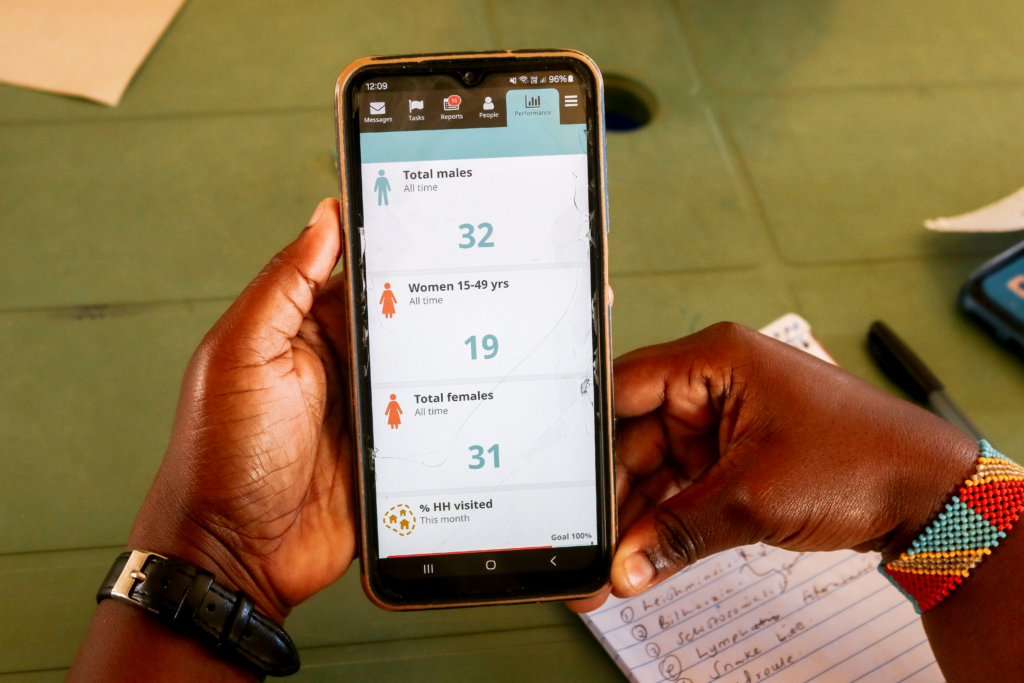
“With eCHIS, I can see which households I’ve visited, who needs follow-up, and send alerts immediately to the health facility,” Veronica explains. “It has made our work faster and our communities safer.”
Digital tools such as eCHIS are shifting Kenya’s health system from reactive to proactive care—where data drives decisions, resources reach those most in need, and no one is left behind.
Expanding Access and Equity
Machakos Level 5 Hospital also demonstrates the ongoing challenges of affordability in Kenya’s journey towards Universal Health Coverage (UHC). Although 85 percent of patients are covered under the SHA, many low-income families still struggle with out-of-pocket expenses. Hospital CEO Dr Winfred Nzuki noted that most residents live on less than one dollar a day, with only 3 per cent able to pay in cash and about 12 per cent requiring fee waivers.
To bridge this gap, Amref and partners are supporting community outreach and health insurance enrolment, ensuring vulnerable groups—including teenage mothers and informal workers—can access care without financial hardship.
“Veronica’s story shows what’s possible when people, systems, and partnerships work in harmony,” said John Mungai, Amref Project Officer.
Through collaboration among development partners, the Ministry of Health, and international partners such as Germany, Kenya is moving closer to a future in which quality, affordable, and dignified health care is within everyone’s reach. When communities lead, partnerships align, and data drives action, sustainable health becomes a reality.