No woman should have to risk her life to give birth. Yet for many mothers in Kenya’s remote regions, that risk remains painfully honest. In Baringo County, where health facilities are often separated by vast distances and rough terrain, accessing skilled care can take hours — sometimes too long.
For Emmy Cherop, the maternity ward is more than a workplace; it’s her mission. With over 24 years of experience in nursing, including seven years as a midwife, she has guided thousands of women through one of life’s most vulnerable moments.
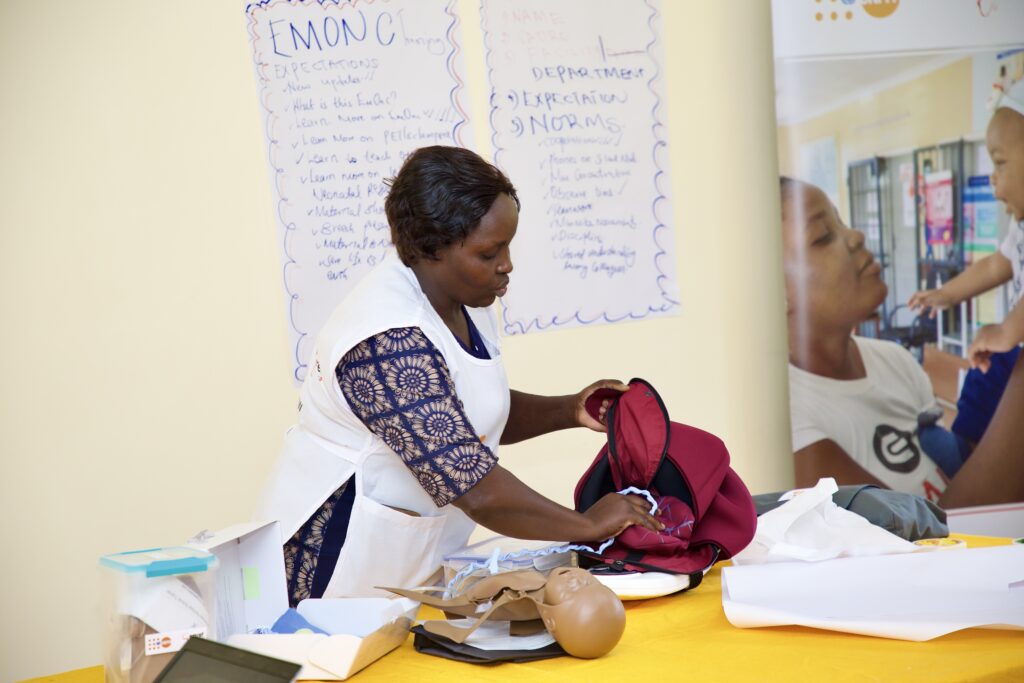
“Working in maternity is a journey,” she says. “You walk with the mother from her first antenatal visit to delivery and even after discharge. My job doesn’t end at birth; I follow up to make sure both mother and baby are safe at home.”
Through regular postnatal visits, Emmy educates mothers on family planning and child spacing, helping them recover and nurture healthier families.
Every month, Baringo County Referral Hospital serves about 190 expectant mothers, nearly a quarter of them are teenagers aged 13 to 18.
“Most teenage mothers struggle to give birth normally,” Emmy explains. “Their bodies are not fully developed, 70% deliver through caesarean section, and nearly half experience heavy bleeding. Many come alone, without family support, and some even face depression after birth.”
In places like Marigat Sub-County, where early marriage and low literacy are common, young mothers often miss antenatal visits or fail to recognise warning signs during pregnancy. This gap in awareness can have devastating consequences.
When Distance Costs Lives
“Reaching mothers in remote areas is never easy,” Emmy says. “Traditional birth attendants are deeply trusted, so changing mindsets takes time, courage, and constant engagement.” She recalls a heartbreaking case from Tiati, where a woman in labour waited hours for an ambulance. “We lost both the mother and her baby on the way,” she says softly. “It’s a loss that could have been prevented with early antenatal care.”.
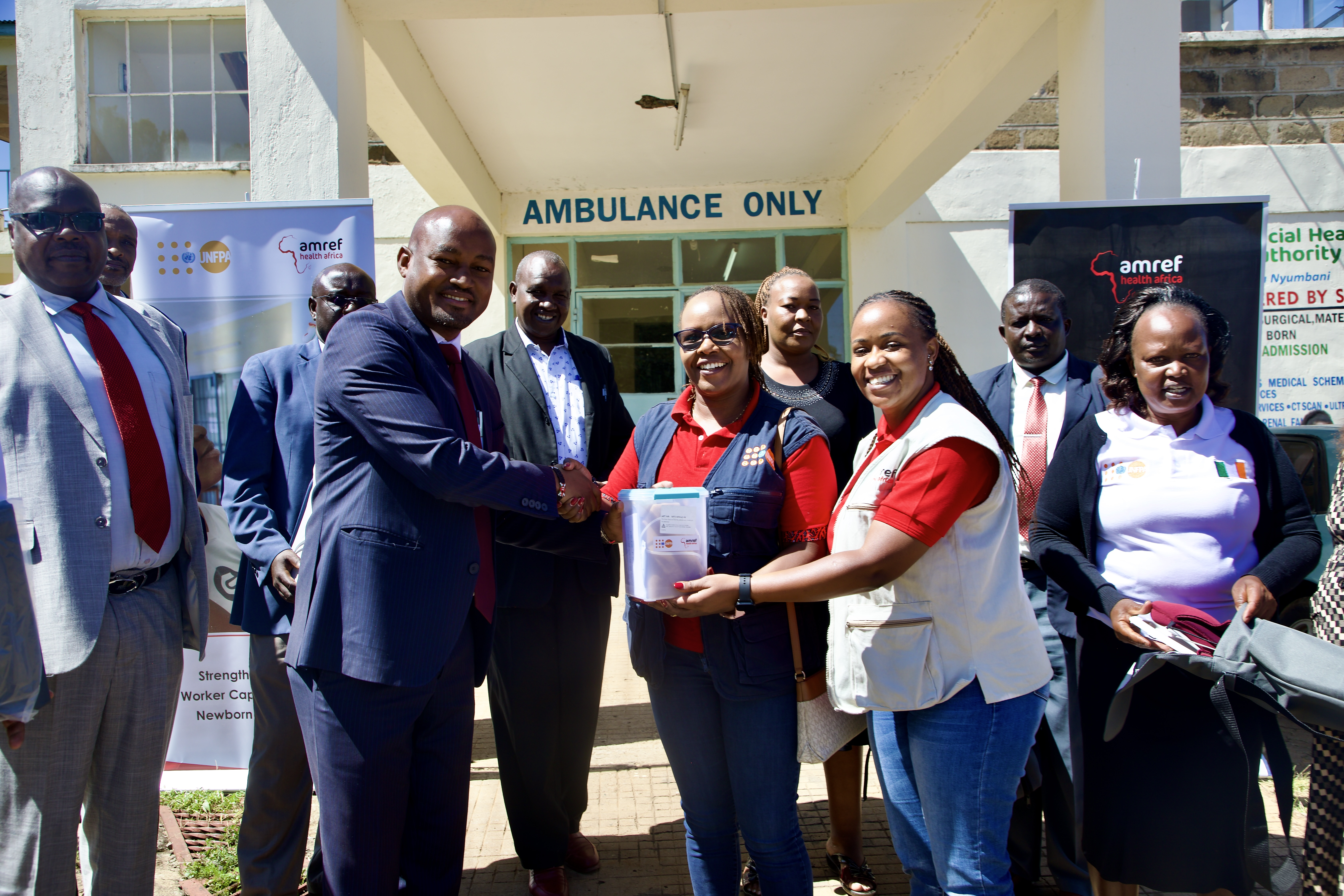
The donation of Emergency Obstetric and Newborn Care (EmONC) kits to Baringo County Referral Hospital is transforming care delivery, aimed at ensuring midwives like Emmy can manage complications on-site, rather than referring critical cases to distant facilities.
“These kits build our confidence,” Emmy says. “They will help us respond quickly and save lives, especially in lower-level health centres.”
Dr Solomon Sirma, Baringo County Executive Committee Member for Health, echoes the urgency:
“Government must invest in health instead of relying solely on donors. By empowering our 2,070 Community Health Promoters, we can respond faster and save more mothers and babies.”
Learning, Adapting, Improving
“The regular Maternal and Perinatal Death Surveillance and Response (MPDSR) meetings are also making a difference. They help us identify preventable causes of death, learn, and improve,” Emmy notes. “We’ve already seen fewer maternal deaths.”
Elizabeth Kigen, County Reproductive Health Coordinator, agrees. “The EmONC kits are game-changers. They equip our teams to manage obstetric emergencies and reduce maternal and newborn deaths, especially among teen mothers and those giving birth at home.”
To sustain progress, the county team is now planning refresher trainings and maternity open days to educate communities on safe delivery, antenatal care, and postnatal follow-up.
Behind every safe birth is a network of people—health workers, community promoters, and families—united by one goal: ensuring mothers and babies survive and thrive.
Baringo’s experience is proof that empowering communities and equipping health workers saves lives. When mothers attend early antenatal care, when midwives are trained and trusted, and when communities take ownership of their health, the cycle of preventable deaths is broken.
“Every mother’s life matters. No woman should die while giving life,” Emmy says with conviction.
About the Maternal and Newborn Health Big Bet
Amref Health Africa in Kenya’s Maternal and Newborn Big Bet is a bold commitment to end preventable maternal and newborn deaths across Kenya by 2030. The initiative aims to reduce maternal mortality from 355 to below 70 deaths per 100,000 live births and lower neonatal deaths from 21 to under 12 per 1,000 live births.
The MNH Big Bet focuses on strengthening primary health care systems to ensure every woman and newborn — especially in hard-to-reach areas — receives safe, respectful, and life-saving care. Through partnerships with county governments, the Ministry of Health, UNFPA, and community networks, the initiative invests in equipping health workers, upgrading facilities, improving emergency response, and enhancing community awareness.
By empowering midwives, building stronger referral systems, and ensuring local ownership, the Big Bet is helping counties like Baringo turn maternal health challenges into lasting change — where every birth is safe, and every life is valued.
Author: Noah Wekesa, Digital communications and Engagement Officer, Amref Health Africa