
For many women in Malawi’s rural communities, accessing family planning services has been a challenge. Long distances to health facilities, long waiting times, and competing responsibilities at home make consistent use of contraceptives difficult.
As a result of these challenges, many women experience missed appointments, disrupted care, and limited options.
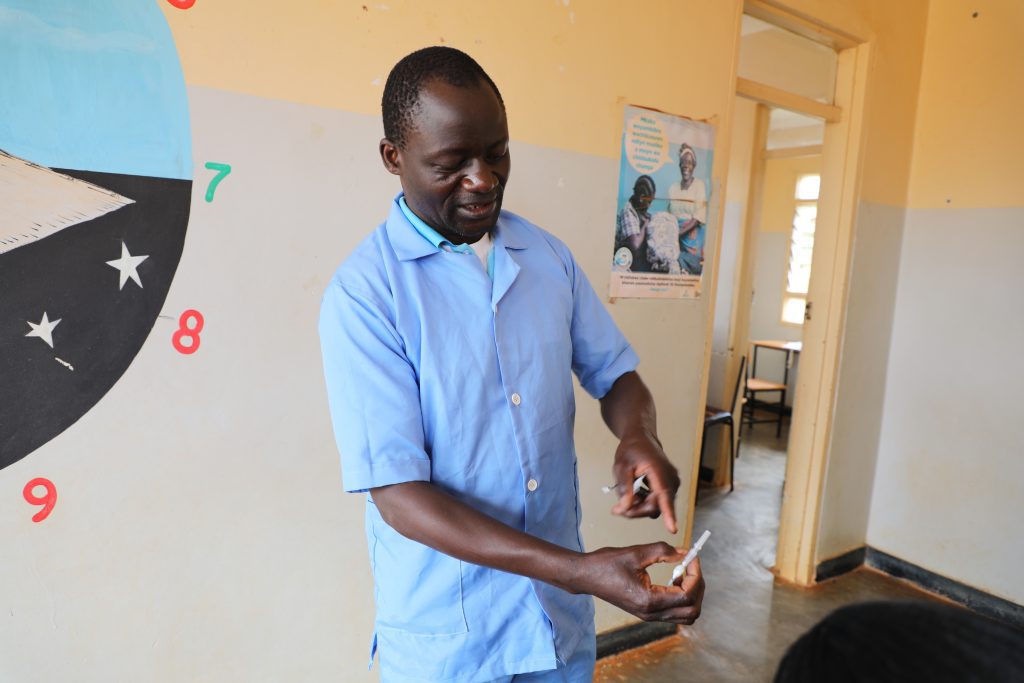
To help address these barriers, the DISC Project has scaled up access to self-injectable contraceptives, enabling more women to take control of their reproductive health with confidence, privacy, and convenience.
As of February 2026, demand for self-injectable contraceptives continues to increase across implementation districts, reflecting growing confidence in self-care. More than half (57%) of injection users now choose self-injection. In total, 8,721 self-injection visits were recorded in Kasungu, Nkhotakota, Chitipa, Karonga, and Salima, making up 31% of all injectable methods.
At 27, Elina Zimba, a mother of two, knows what it means to multitask. She is a farmer who grows maize and beans. Her days are full long before the sun sets. For years, accessing contraception meant walking long distances to the clinic and waiting in long queues. When she first heard about Sayana Press, she was hesitant.
“Injecting myself felt scary at first,” she recalls. But with guidance and encouragement from trained health workers, Elina decided to try. “It was the best decision I made. I no longer travel to the clinic every month. I now have time for my children and my farming.”
Today, Elina manages her reproductive health privately and on her own schedule. This simple routine not only saves her hours away from home but also gives her more control and freedom to focus on her family and livelihood.
From Fear to Confidence: Rachel’s Journey
Rachel Saka, 29, shares a story similar to Elina’s. She was one of the first women in her community to use Sayana Press. At first, she was afraid to inject herself. With help and encouragement from health workers trained through the DISC project, she became more confident.
“Now I am not afraid. I get doses for the whole year and only go back to the clinic to collect my supply. I can plan my life and take care of my children,” she says.
Rachel’s story shows how family planning is changing. It is not just a service anymore. For many women, it is now an act of self-care that supports dignity, privacy, and empowerment.
Reducing Pressure on Health Facilities
The impact of self-injectables reaches beyond individual households. At Kaluluma Health Centre in Kasungu, Health Surveillance Assistant (HSA) Edson Kamanga has observed increasing acceptance among his catchment population of 3,700.
“At first, people were hesitant, but now many are coming. The DISC training helped us and community volunteers teach women with confidence,” he explains.
To date, 82 providers have been trained, strengthening the connection between communities and essential reproductive health services. This expanding network is improving service delivery, broadening access, and ensuring women receive consistent, high-quality support.
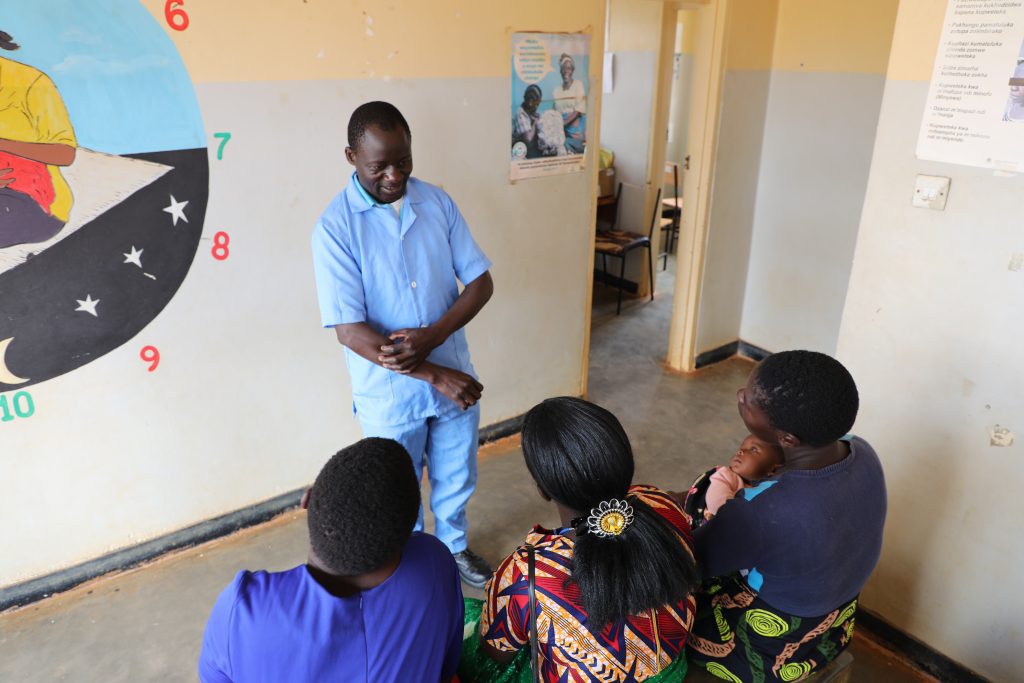
At Kasungu District Hospital, Nursing Officer Mercy Msume has observed a significant shift. Self-injectables are now among the most preferred methods, especially for women aged 20 to 35. On busy days, the hospital serves up to 85 women seeking family planning services. Mercy notes that self-injectables help reduce congestion and improve continuity of care.
“Most women are scared at first. But once we teach them, they realize it’s simple. They like receiving a full year’s supply. It gives them time to focus on their families and work.”
Investing in self-care approaches such as this improves health outcomes and strengthens the resilience of health systems.
“Self-injectable contraception is a game-changer for women in Malawi. It shifts family planning from a facility-based service to a woman-led solution. Through the DISC Project, we are expanding access and empowering women to take control of their health while strengthening the health system. This is the future of sustainable, people-centered care.” Rose Kanyangalazi, Technical Lead for Family Planning.
Amref Health Africa remains committed to working with government and partners to expand access, train additional providers, and ensure every woman, regardless of location, can make informed choices about her reproductive health.
For women like Elina and Rachel, self-injectables represent more than a method; they are a gateway to opportunity.